Cart 0

On the 11th of September, in the heart of Paris, The Sustainable Leather Forum (SLF) took place – the first international event dedicated to CSR (Corporate Social Responsibility) in the leather industry. This event gathered more than 400 international participants – businesses operating in the sector, major fashion and design corporations, SMEs, micro-businesses, mid-sized companies, institutional bodies, opinion leaders, and consultancies – to focus on social, environmental, and economic issues.
“Buy less. Choose well. Make it last,” said the great Vivienne Westwood. We couldn’t agree more with the almighty queen of punk, who fought her whole career for a more sustainable and ethical fashion industry. As a matter of fact, did you know that she never used real fur? On top of being a fashion icon, the designer was a real industry activist, and she never stopped advocating for the use of leather.
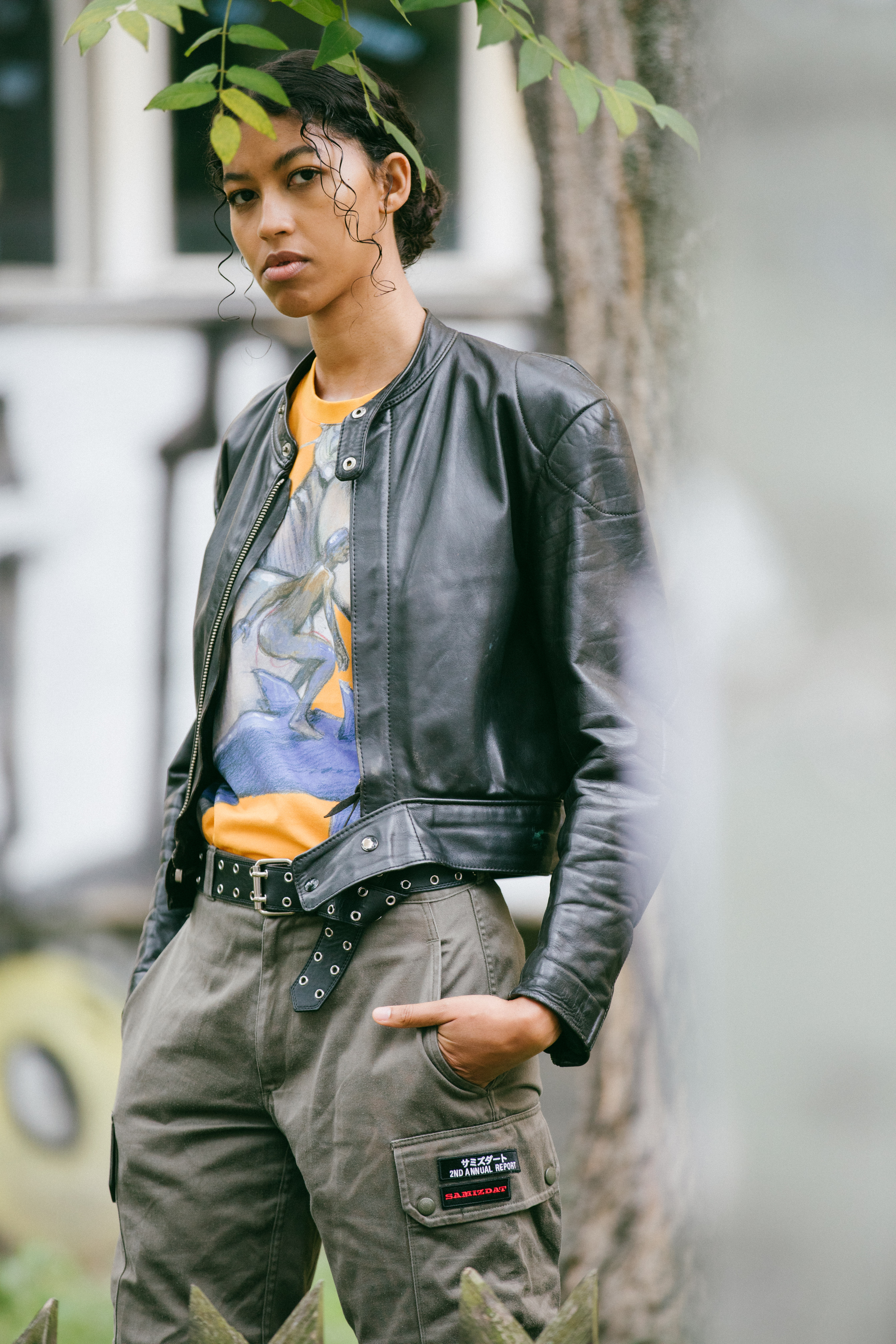
In today’s world of fast fashion, it can be challenging to make responsible choices as a consumer. Many believe that avoiding animal products is the best way to protect the environment. However, this is not always the case, especially when it comes to leather. This is why Haize has created a unique leather project, collecting fashionable leather jacket designs over the past five decades from European flea markets. To give these timeless jackets a new look, Haize collaborated with the renowned tattoo artist Dotstoline to create exclusive tattoo designs that enhance the jackets’ natural curves and shades. Each design has been carefully tailored to fit each jacket perfectly, resulting in a one-of-a-kind collection.
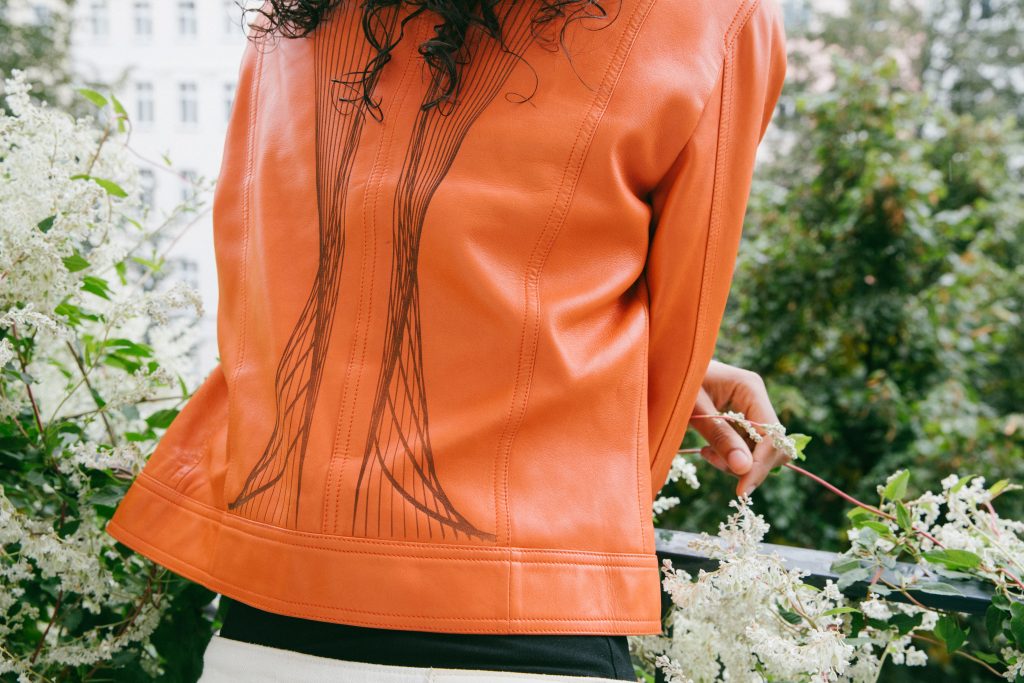
Haize chose to use authentic leather because high-quality leather products are more long-lasting and enduring than synthetic alternatives. This means they might not need to be replaced as frequently, reducing overall consumption.
Nowadays, genuine leather is a crucial choice as it utilizes hides from animals that are processed for food. These hides find new life in the leather industry, offering durability and versatility. In 2019, the US processed over 33 million cattle for food, with approximately 27.5 million hides used in global leather production.
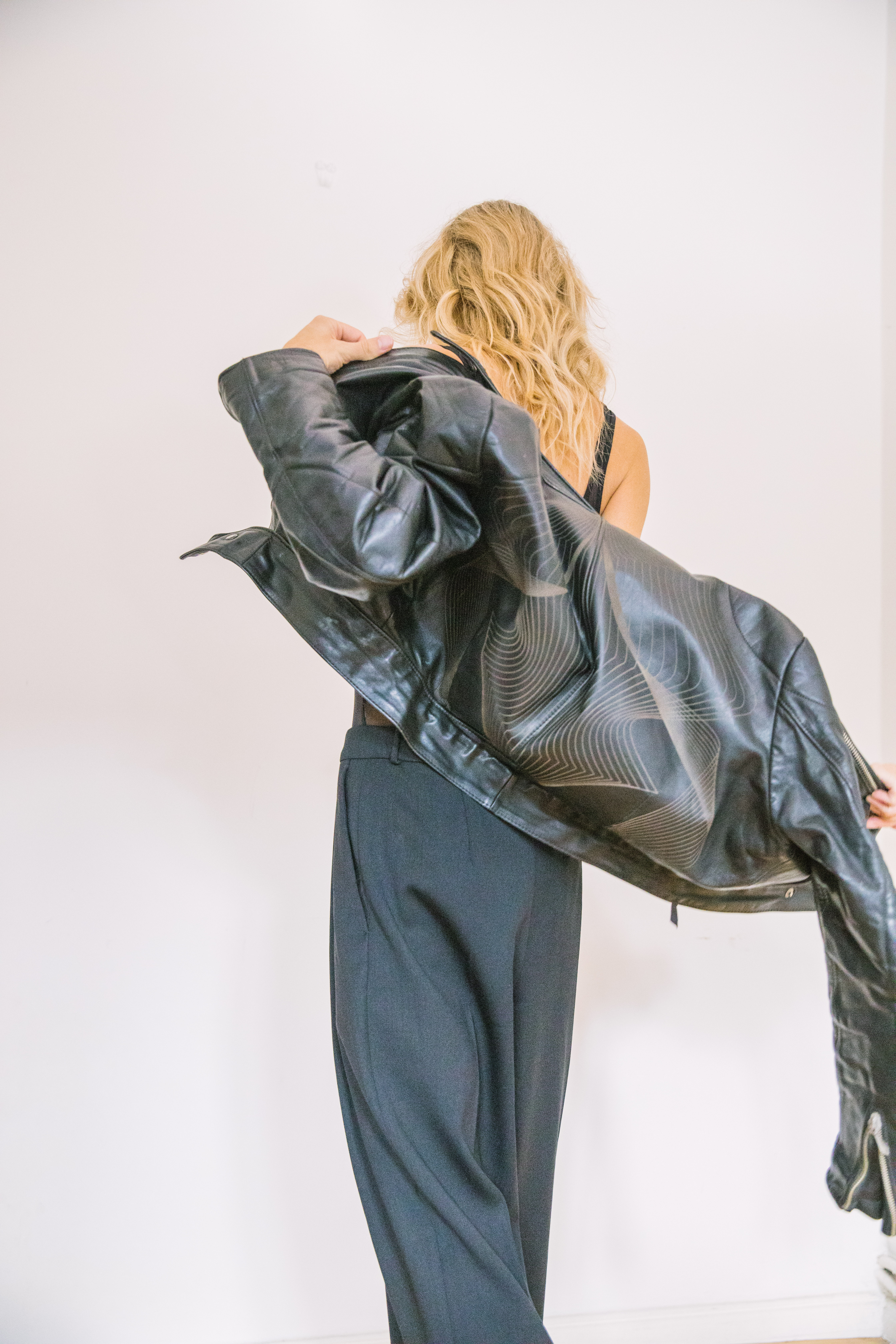
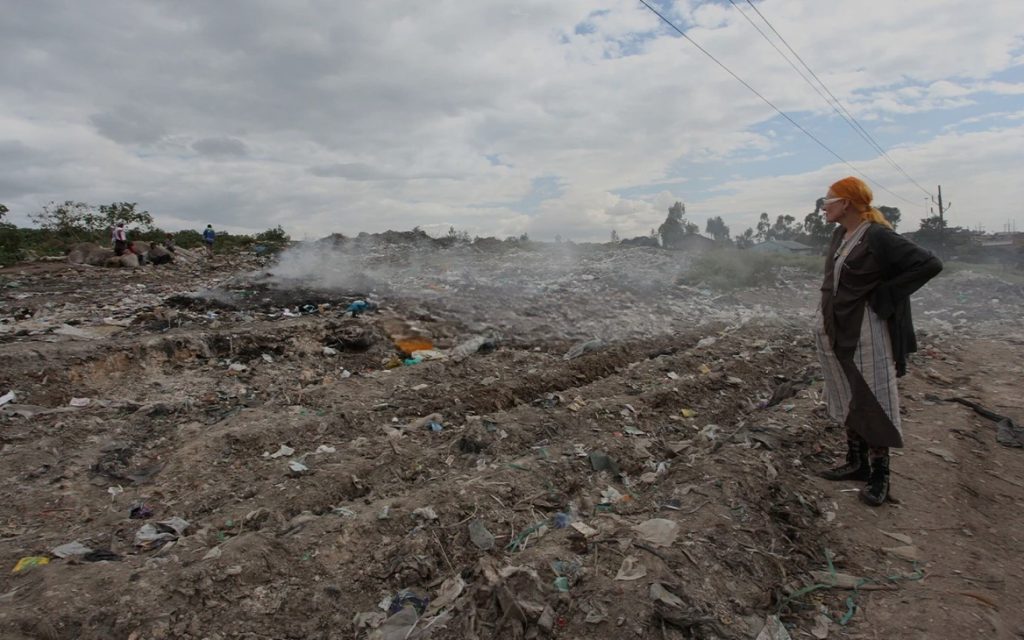
Nevertheless, the growing popularity of synthetic materials threatens this eco-friendly cycle, potentially causing irreversible environmental harm. In recent years, nearly 5.5 million hides (17% of the total production) were discarded or destroyed – a number that could rise with the continued shift to synthetic alternatives. Synthetic materials are often derived from non-renewable resources like plastic, which can take a very long time to decompose and contribute to environmental plastic waste. Genuine leather is a natural material that can break down in less than 50 years – in stark contrast to synthetics that can linger for up to 500 years, polluting the environment and exacerbating climate change.
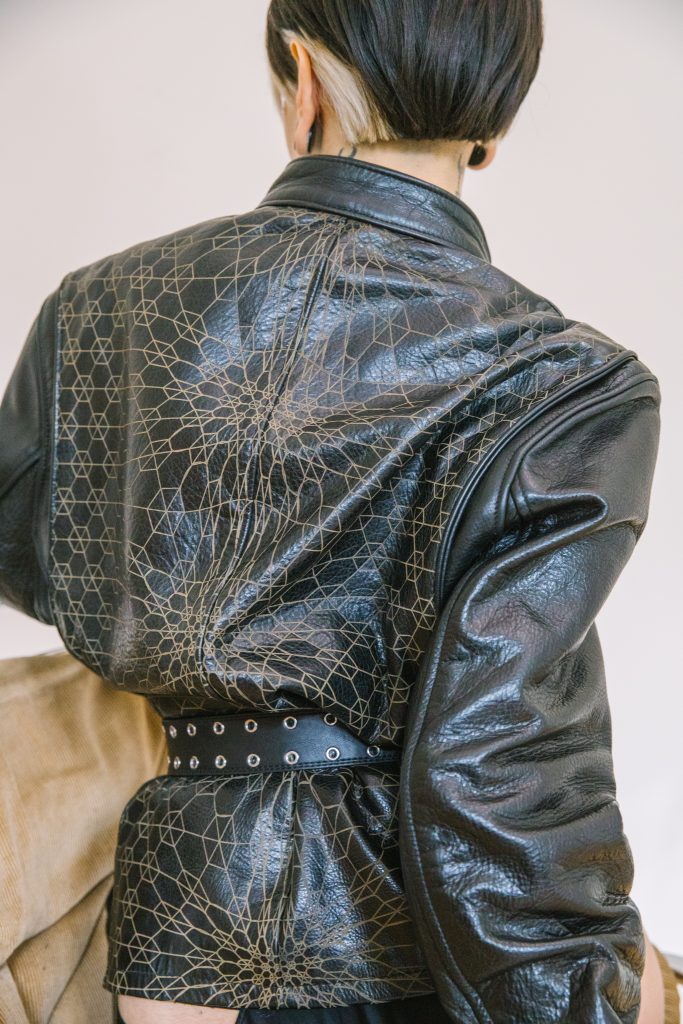
PVC plastic is naturally rigid; to produce synthetic leather, phthalate plasticizer is added to soften it. PVC requires petroleum, and its production is very energy-hungry, so it relies heavily on fossil fuels in more ways than one. During its manufacturing, it emits cancer-causing byproducts known as dioxins. These long-lasting chemicals can increase the chances of cancer developing in humans and other animals. Additionally, PVC takes a long time to break down. When it finally does, it releases harmful substances dangerous to animal life as they become microscopic and occupy much space in landfills.
Balancing these factors, we’re supporting the leather industry’s sustainable practices, which are essential for promoting waste reduction, sustainability, and a style that never goes out of fashion.