Cart 0

Different people, different lifestyles – and certainly not an ordinary life. What does it take to live beyond the ordinary? Meet some out-of-the-box thinkers: individuals who, instead of trying to fit into society, are changing society to fit them. These people have consciously chosen these alternative ways of living not to be different from others, but to follow their hearts and be unique in their own way. Meet A, a digital nomad who has been traveling the world for many years, discovering new places and looking for new meanings.
Where are you based?
I’m not based anywhere. I’m still looking for a place that resonates with me in a way so strong that I have to stay. But I haven’t found it yet.
Was your life always like that? When did you realize you were craving something more than just your home and its predictable lifestyle? How did this shift occur?
For me, it’s rooted in my personal story. When I was about ten years old, my family moved to a different city, and I never really connected with the people in my new area; I always felt a bit different. I left France at 18 for my first internship in another country. Following that, I’ve worked in various countries, never staying in one city for more than three years since I was 18. I have always been moving around since then.
What do you find most exciting about moving to new places?
Discovering a place, trying to understand it, and creating your life to be comfortable in this new environment—it’s always exciting. When you arrive in a new country, you hear a language you don’t really understand, and encounter things you’re unfamiliar with. You land, leave the airport, and think, ‘Okay, what now?’ You need to find transportation, locate a supermarket, and figure out what people eat and what you can eat. It’s always fascinating when you’re arriving in a new place.
What kind of work do you do during your travels?
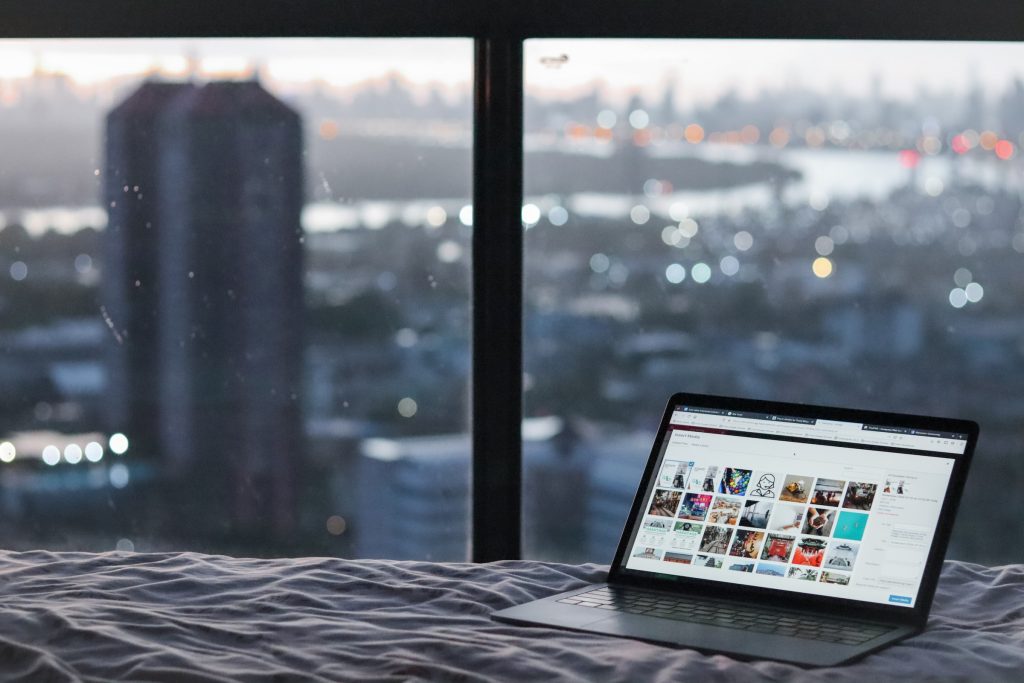
I’m a freelance software engineer, so I work on different projects with various clients, mostly long-term and reliable ones scattered across the world. Although I’m supposed to be based in the US, everything is remote. When I go to a new place, my professional routine doesn’t change much. I always try to find a coworking space, a café to work from, or an Airbnb where I can set up my workspace. I particularly enjoy working in coworking spaces; we can discuss that later. But, professionally, the nature of my work doesn’t tie me to specific locations. I don’t go to places because of work; I’m there because I want to explore a new location. It’s often related to chasing the sun and seeking summer, as I’m not a fan of the cold.
When do you understand that you’ve had enough of a certain place and need to go somewhere else?
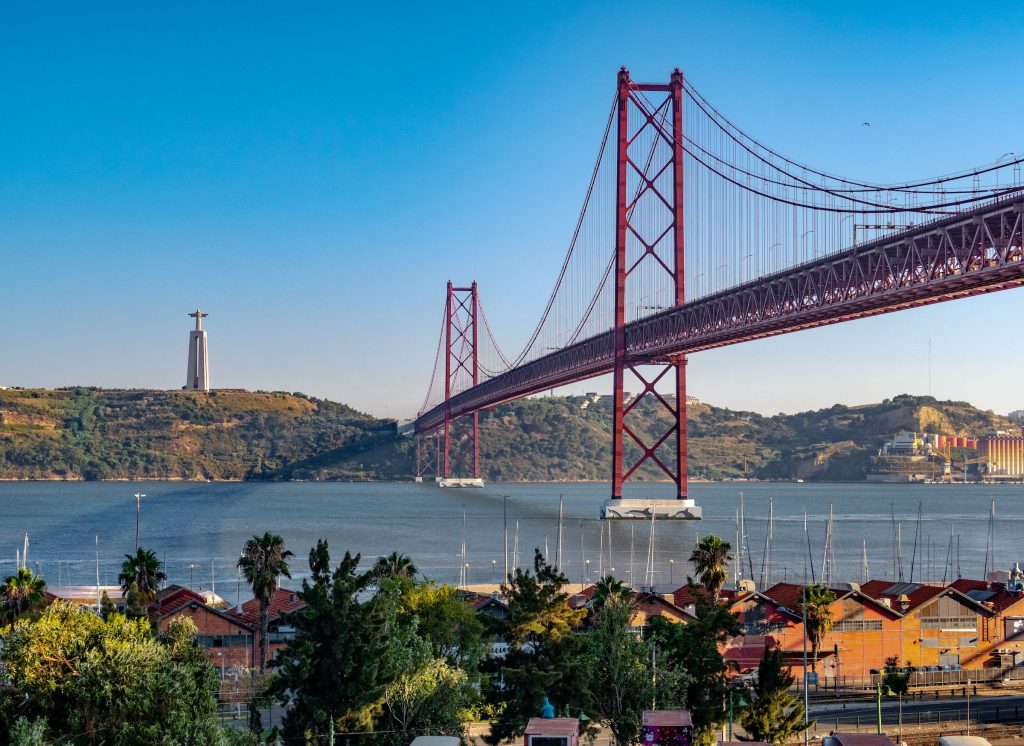
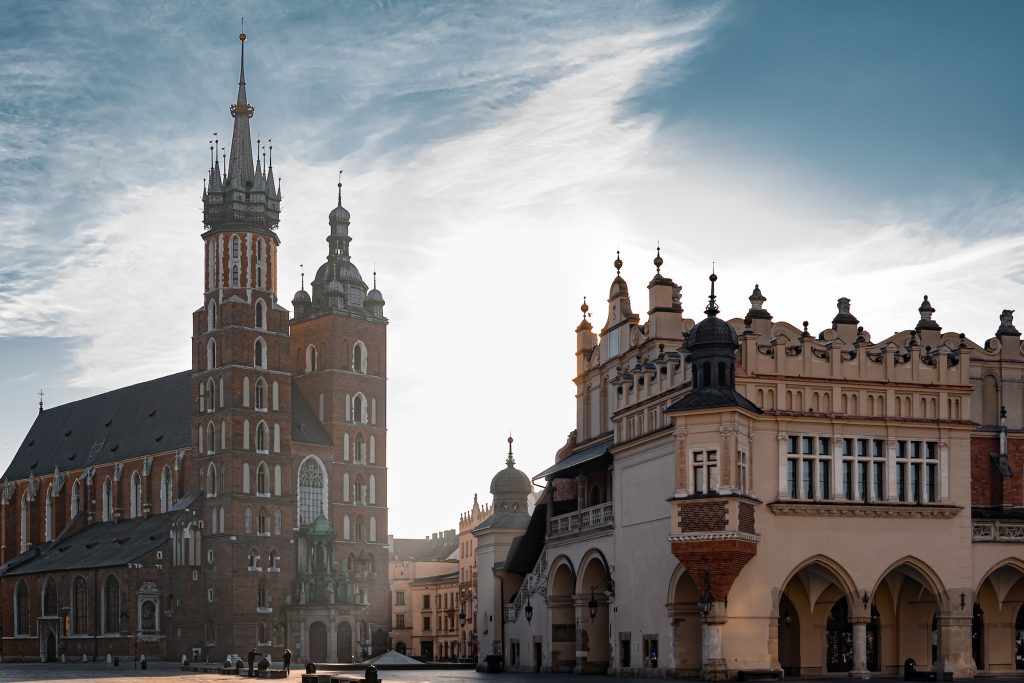
That varies. I usually try to spend at least one month in each place. When I feel a connection with a place or its people, I tend to stay longer. For example, I like Lisbon and the people here, so I come back very often or stay for an extended period. Recently, I went to Krakow in Poland, and I loved it. I know I’m going to go back, probably next year, but definitely not during winter.
How far in advance do you plan your travels? Do you have some kind of plan for the next few months, or do you decide spontaneously?
Well, it’s a mix of both. For example, in winter, I probably will head to Argentina, Buenos Aires, for three months or maybe some other specific amount of time. Right now, I don’t know where I’m going to be in three weeks. I have nothing booked out for three weeks.
It’s exciting!
Exciting. Scary. It depends on your perspective.
What is a typical day in your life, if there is such a thing?
It’s a very free lifestyle, but you need a routine to structure it. I have to work, so I wake up, have my breakfast, and then dive into my tasks. After that, I have more flexibility to do other things. I believe creating a routine is crucial—it’s one of the first things I do when I arrive in a new place. I find my grocery store, locate places to work, and establish my routine in this new environment. It helps me feel more grounded. The same goes for remote work in general. When you talk to remote workers, those without discipline may find it challenging after some time. However, those with discipline find it sustainable and effective.
During all your travels, have you ever felt like it’s time to settle down or something?
Yes, sometimes you have this desire to settle down. But once you do and stay in one place for a specific amount of time, you start feeling bored. At least, that’s how it is for me. I’m a very curious person; I want to explore and discover. If I stay in the same spot for too long, I’ll get bored because I’ll know everything about this place, and I’ll wonder, what’s more? What’s left for me to grow in this place? I need to go somewhere else and try to understand another place.
Do you ever feel scared when you arrive in a country you’ve never been to, or has it become so normal for you that you don’t care anymore?? Imagine, it’s midnight, there are some strange-looking people, and you need a taxi…
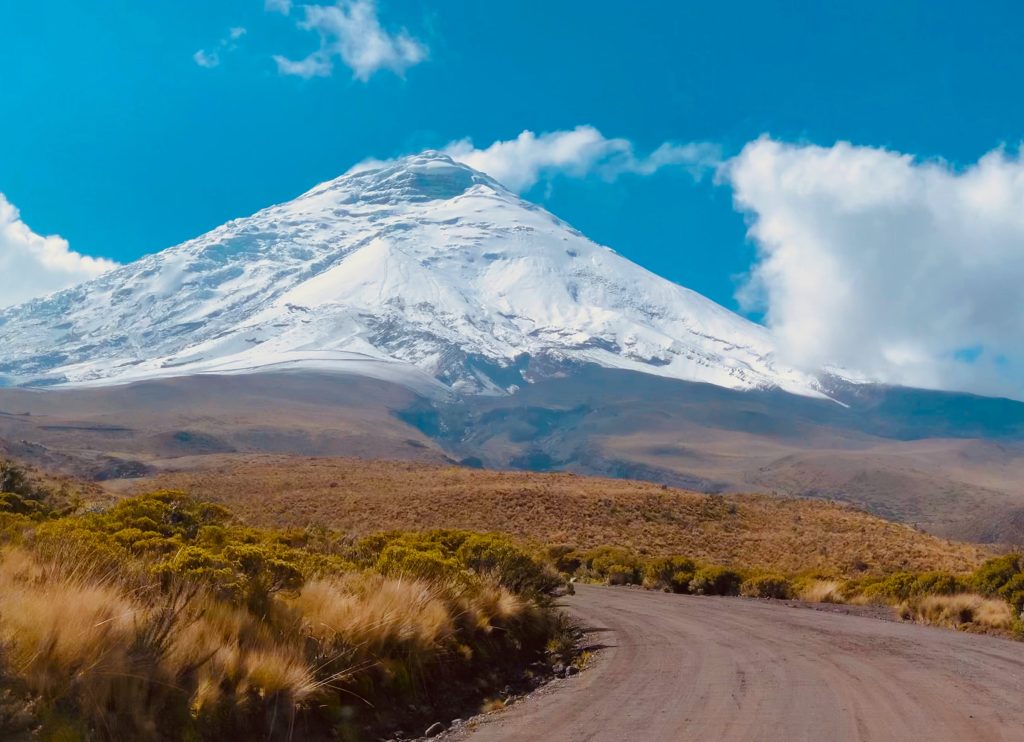
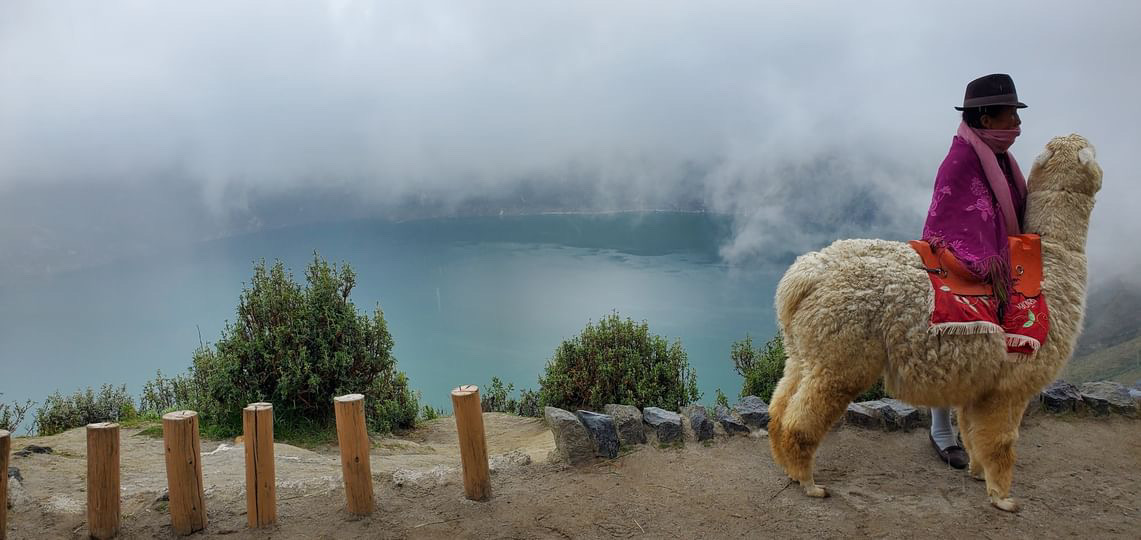
Yes, I do get scared sometimes. I try to do a lot of research before coming to a new place to know what to do and where to go. Not long ago, I was in Ecuador, which is not the safest place – even more so now ndlr. I came for a festival, and an Uber driver dropped me 30 minutes away from where the festival was happening. I had to go through a not-so-good-looking area, and yeah, I was kind of scared. But, you know, I feel like nowadays the world is a lot safer than before. Of course, bad things happen to people all the time, but the chances are low, especially when you’re doing your research, are aware of your surroundings, and don’t wear fancy jewelry or stuff like that. What I’m most scared about is if people would like to steal my laptop or any tools I need to work with because that would be a major issue. I would have to replace it and fly back to the US, which would be a nightmare.
Being male also makes it somewhat easier, although I’ve met a lot of solo female travelers. It’s a matter of perspective. If you’re traveling somewhere in Portugal or Spain, these are some of the safest places you can imagine. However, it’s a bit different when you hike in Ecuador or Peru.
What resources and platforms do you use to facilitate your lifestyle?
I used to couchsurf but don’t do it anymore. It’s great when you’re backpacking, but I’m not backpacking; I’m just traveling and working. So I need to have a comfortable workspace. Earlier in my life, I would first find a place with a coworking space, and then I’d look for accommodation, usually a hostel nearby. The main thing for me was to see where I could work. I did that for a while. Now, I mostly use Airbnb or Booking.com to find accommodation. I also frequently use apps to find flights.
Depending on the country, the tools vary. If you want to book a train ticket in Poland, you’ll use one app; in Hungary, it’s a different website. I use Flixbus when I travel in Europe. Also, having a currency converter and Google Maps on your phone is essential – you use it all the time.
What is the biggest advantage of your kind of lifestyle?
I like the warmth. I find it great that I can experience summer before it arrives. When it gets too cold here, you can go to South America, so you constantly live in the summer.
Additionally, I feel like I’m experiencing more than someone who stays in one place their whole life. I have lived in many different places, lead various lives. So, I think it’s a substantial advantage. You can live multiple lives within a single one.
And what’s the biggest inconvenience of your lifestyle?
It’s the inability to create strong ties with people and the feeling that you don’t belong anywhere. I would say loneliness is a significant challenge. Of course, you can find friends, relationships, romantic partners or whatever, but you’re never going to be able to forge something deeper with people. That’s why we have created more tools like online communities and digital nomad communities, where people can meet each other or travel together for some time. Using these tools, people can go to places, knowing they’re going to be able to connect quickly and easily reach out to others, so they don’t feel lonely. Still, it’s pretty challenging to build very strong connections with people because you’re not a tourist, but you’re not a local either. You’re just here temporarily.
What would you recommend to those who want to lead a lifestyle similar to yours? What should they be ready for, and what challenges must they prepare for if they want to make this shift, make this change?
It’s a complex question, and the answer depends on the individual. I suggest keeping an open mind and being ready to embrace your new environment, whatever it may be. Some people thrive in a new environment, while others find it challenging. However, it’s something everyone can and should try. Step out of your comfort zone and see what this lifestyle can bring you. It’s important to note that this lifestyle is often idealized because many people making their income by selling this dream. Online, you often see the positive aspects highlighted, and the negative aspects are not as commonly discussed. Therefore, the best way to know if it works for you is to try it out yourself.
Do you think this lifestyle is for everyone, or are some people just not made for it?
I believe that most people can achieve this kind of lifestyle. However, I’ve seen many individuals who followed it for a year or two and then chose a more settled, sedentary life. They questioned their choices, asking themselves, ‘What am I doing? I’m just living life without creating or building anything.’ I can share a link to an article where someone describes it as a purposeless life—floating around without attachment to anything. Living in a constant state of transience and temporariness may not bring happiness. So, I would say that most people wouldn’t feel ready to embrace it for their entire lives.
Do you feel happy with your life?
That’s a very complicated question. Yeah, I guess. I mean, it depends on the day and the country. I would be very happy to find a home somewhere, at least for some time.
Do you want to find this kind of place, or do you feel like the whole world is your home?
A persistent issue within the digital nomad community is the challenge of not feeling at home anywhere or, conversely, feeling at home everywhere. This brings up the challenge of finding a community and creating deep connections with people. How do you make friends or partners? How do you find a place that you can call home, and so on? You’re always in this transient state, where you’re not sure if this place is going to be your home or not. So, yes, I would like to find a home somewhere or a place that I could call home. But at the same time, it’s not easy because you’re always going to find things you don’t like in that place, and you will always have thoughts like, “Oh, the previous place was better. I think I should go back to that place, and it could be my home.” You can be unhappy about similar things, so you keep moving and going to other places.
What do your family members and your environment think about your lifestyle? When you just started your journey, did they encourage you along the way, or did they say, ‘Man, what are you doing?’
You know, nobody said, ‘What are you doing?’ because they respect my choices, and they are also curious about things. It’s very common for people to be envious of something that, for them, seems different. But for some, my life looks like a dream. For example, when I spent a week co-living on a boat in the Caribbean islands, people were like, ‘Wow, that’s like paradise. It’s amazing! You can live anywhere you want!’ But if you’re going to do it your whole life, there are many complicated things indeed. People often see only the best aspects of these things, but the grass is always greener at your neighbor’s.
‘Oh yes, man, you are living life, it is amazing.’ Yes, of course, it is. It’s a very interesting lifestyle. It’s not for everybody, but I think most people if they have the opportunity to try it, should try it because it’s very exciting. It’s a weird mix of being a tourist and a local. Of course, you’re going to pay more for pretty much everything, like accommodation, which restricts you to mostly cheap places. In some cities, finding one-month accommodation can get pretty pricey. So, it’s not perfect. But yeah, I would say it’s an interesting lifestyle, and it’s definitely worth trying.