
Cart 0

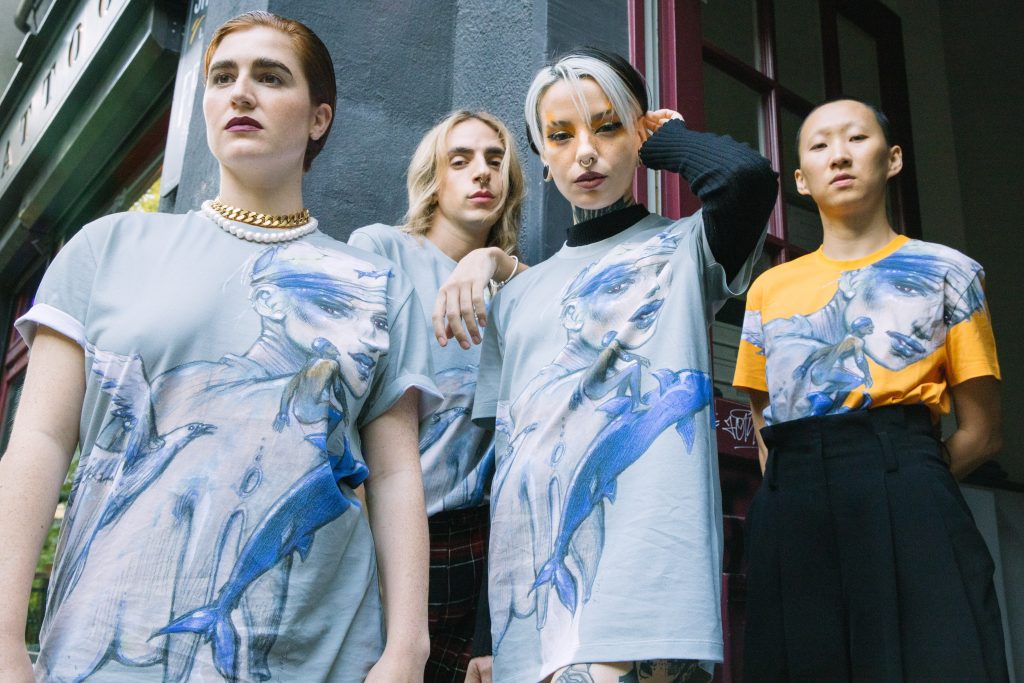
At the dawn of a new round of craziness surrounding the 2023 fashion weeks, the time has come to talk about the star of style: T-shirts. As the artist and designer Virgil Abloh said, “T-shirts are the most important and expressive format for a designer or a person.” This is their story—past, present, and what we hope will be their future.
Over the 20th century, T-shirts have evolved from basic undergarments to expressions of identity, reflecting people’s music preferences, political views, favorite sports teams, and more.
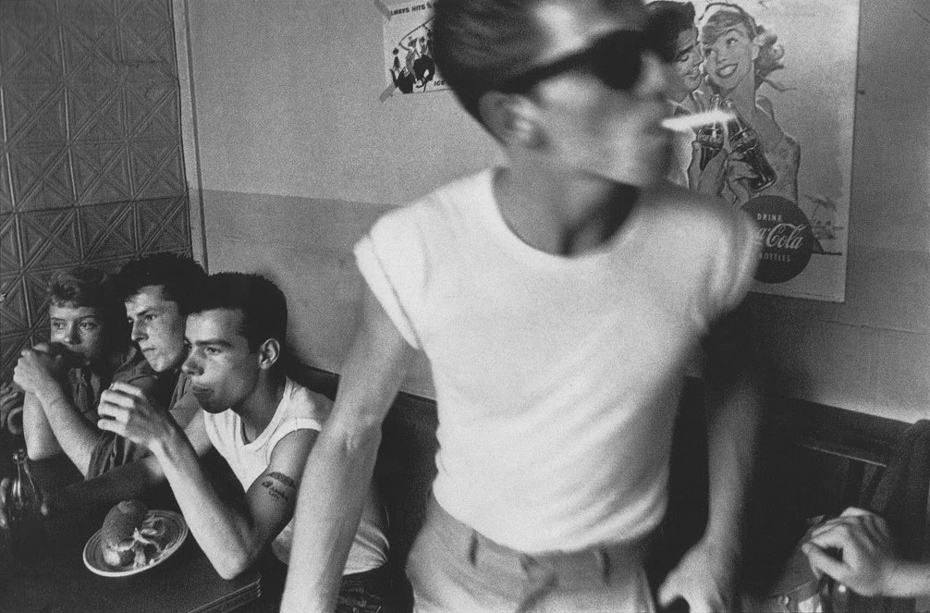
The T-shirt’s history traces back to union suits in the 19th century, evolving into a two-piece undergarment and eventually being marketed as “bachelor undershirts” by Cooper Underwear Company in 1904. The US Navy and Army adopted it as part of uniforms, while its popularity grew during World War II. T-shirt printing gained traction in the ’50s, evolving into music merchandise in the ’60s and ’70s and becoming a platform for political and counter-culture messages. Vivienne Westwood’s graphic T-shirts in the ’70s marked a turning point for T-shirts as a medium of self-expression.
In 2009, Susan Barnett began her project “Not in Your Face,” capturing people globally wearing graphic T-shirts with slogans. These portraits feature people from behind, using the T-shirt messages as a substitute for their faces, conveying their identities, aspirations, and beliefs. Since the T-shirt became a means of self-expression, there was no going back.
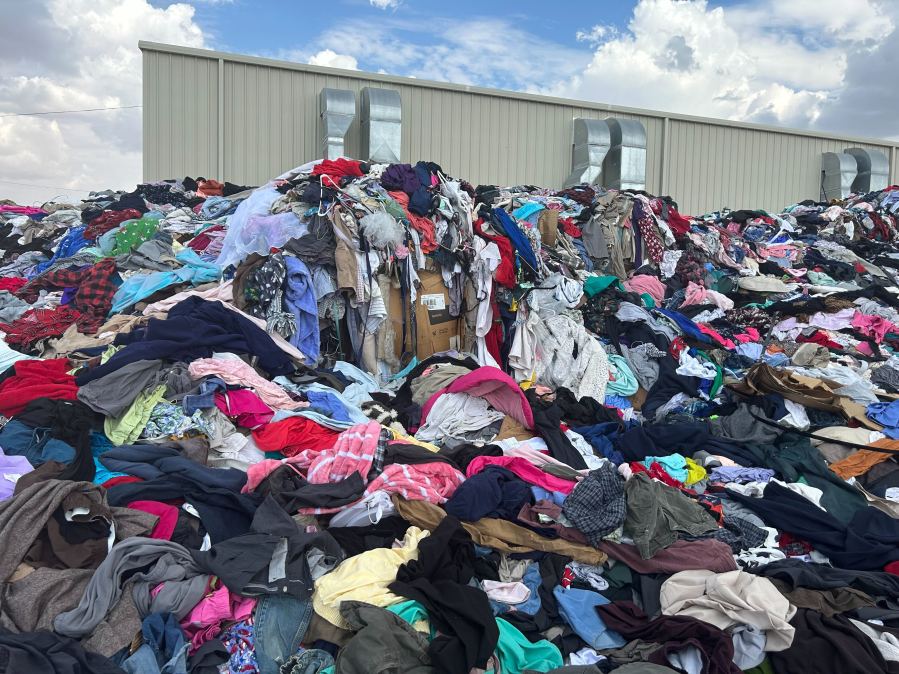
However, the production of T-shirts and other clothing items contributes to resource consumption and waste generation. In 2019, the global production of textiles and clothing was estimated to be over 100 million metric tons. The fast fashion industry, known for producing inexpensive and quickly changing clothing styles, is also contributing to overconsumption. It is estimated that nowadays, consumers purchase 60% more garments than in 2000 and 2014, but they keep them for about half as long.
According to the research by Marks & Spencer and Oxfam, the average person in the UK only wears about 44% of their wardrobe regularly. Another study from the UK’s University of Leeds estimated that the value of unworn clothing in British closets is approximately £30 billion.
“Clothes could have more meaning and longevity if we think less about owning the latest or cheapest thing and develop more of a relationship with the things we wear,” said Elizabeth L. Cline, author of Overdressed: The Shockingly High Cost of Cheap Fashion. Recognizing the pressing issue of overconsumption in today’s world, we at Haize have come up with an innovative idea: transforming the least valued yet most frequently worn articles of clothing into collector’s items of unparalleled quality. This transformation aims to enhance the value of a T-shirt over time, challenging the prevailing norms of our consumer-driven society.
Amidst an era of overproduction and excessive consumption, Haize consciously curates limited collections by collaborating with artists who craft exclusive designs. In our first collection, created in collaboration with the iconic Enki Bilal, each T-shirt is intended to mature into an authentic masterpiece with hand-made signatures and unique numbering by the artist, destined for long-lasting appreciation.