Cart 0
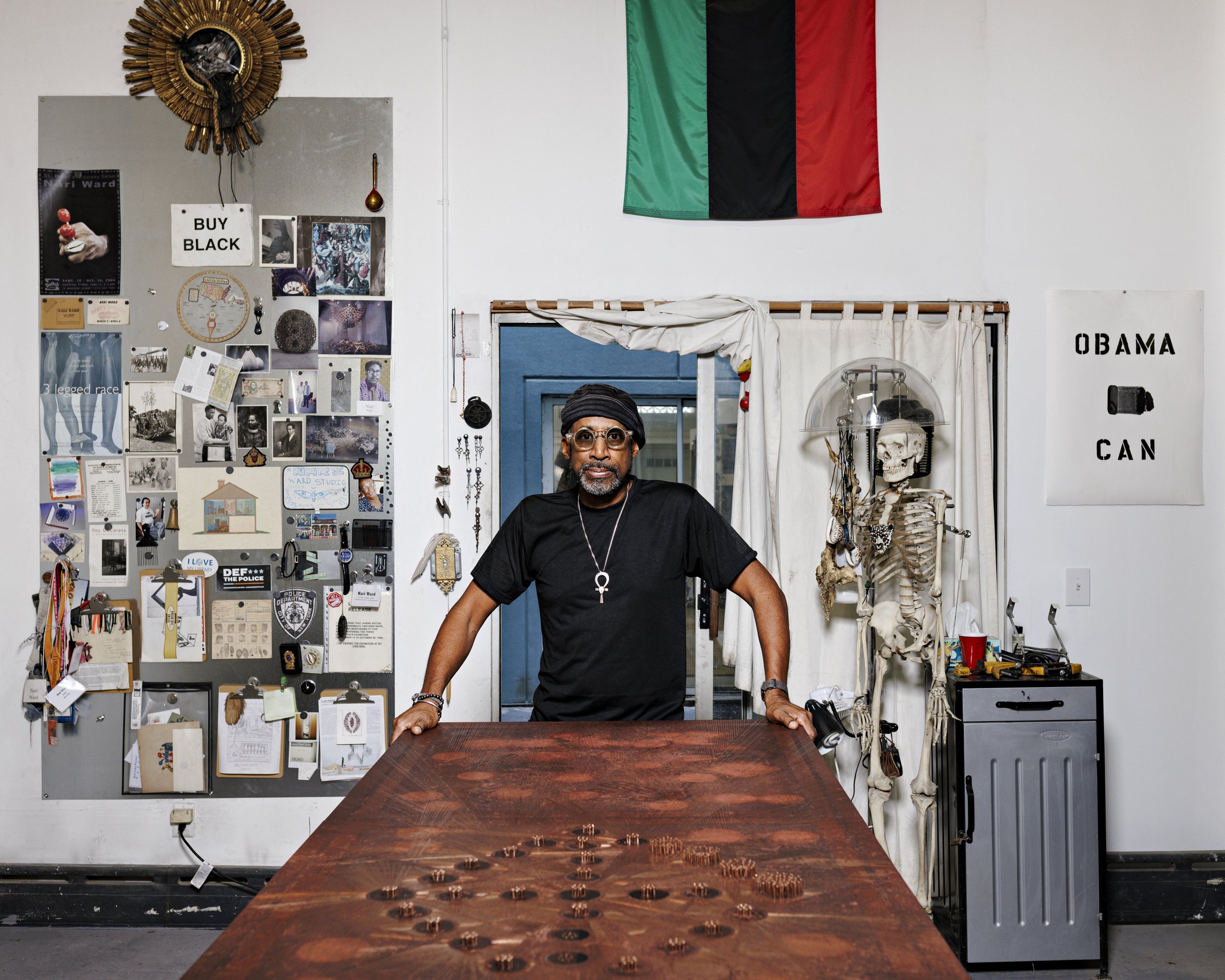

This winter, we had the opportunity to visit the first solo exhibition by New York-based multidisciplinary artist Nari Ward in London. The exhibition, titled ‘Balance Fountain,’ was presented by Lehmann Maupin and preceded the artist’s major European retrospective at Milan’s Pirelli HangarBicocca, opening on March 28, 2024. The exhibition left a profound impression on us, prompting us to share the extraordinary artistic world of Nari Ward with our readers in today’s article.
Nari Ward is widely recognized for his sculptural installations crafted from discarded materials found and collected in his Harlem neighborhood. The artist skillfully combines these materials to recontextualize their original meanings, resulting in assemblage works that delve into complex social and political realities. His deliberate use of everyday materials, remnants of past practices, places, communities, and epochs, allows viewers to connect directly with the works while keeping the narrative open to contemporary themes.
Through repurposing a diverse array of found objects, each with its unique history, Ward’s art engages with themes of memory and transformation. His works spark new discussions, often revolving around the themes of race, migration, identity, consumer culture, social justice, democracy, and community, achieved through both literal and metaphorical juxtaposition. Ward intentionally leaves the meaning of his work open-ended, encouraging viewers to provide their own interpretations.
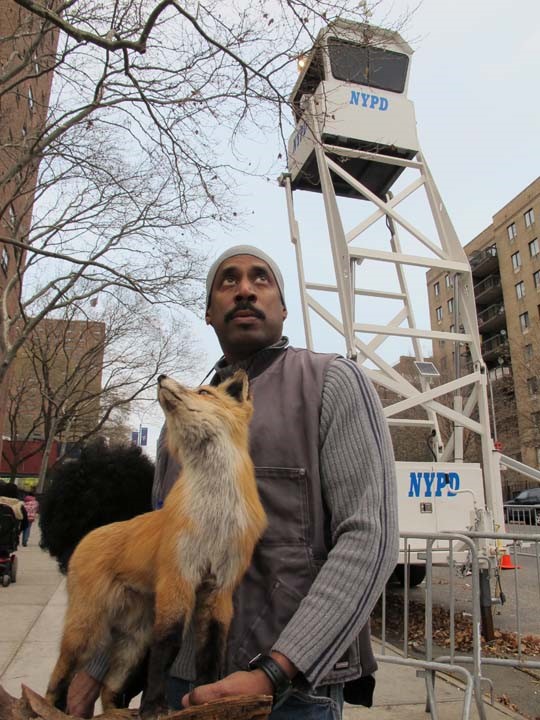
Nari Ward was born in Jamaica, hailing from the capital of Kingston. He immigrated to the United States with his family, initially landing in Brooklyn before later moving to New Jersey. Attracted to images with profound emotional impact, Ward developed a passion for Renaissance master paintings after discovering them in books at the local library.
While attending the School of Visual Arts in New York, a professor introduced him to the rich world of museums and galleries. Another teacher at Hunter College, where Ward took some classes as a non-matriculated student, recommended him for a summer residency at the Vermont Studio Center. This residency marked the first occasion when Ward could fully immerse himself in a community of artists, allowing him to envision a life within that creative sphere.
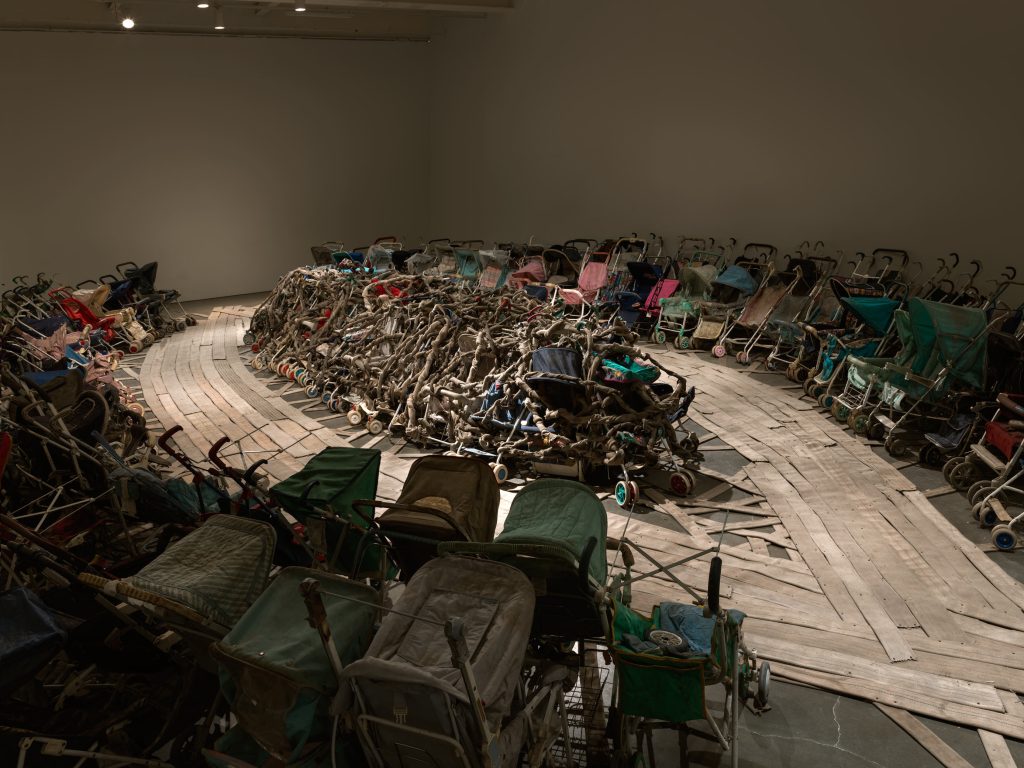
Later, as part of his residency at The Studio Museum in Harlem in 1993, Nari Ward produced one of his most iconic works, “Amazing Grace,” created in response to the AIDS crisis and drug epidemic of the early 1990s. For this large-scale installation, Ward gathered over 365 discarded baby strollers—commonly used by the homeless population in Harlem to transport their belongings—which he bound with twisted fire hoses in an abandoned fire station in Harlem. Echoing through the space was an audio recording of gospel singer Mahalia Jackson’s rendition of “Amazing Grace,” playing on repeat. The lyrics speak about redemption and change, generating optimism and a sense of hope. As with most of his work, this installation explored themes informed by the materials, community, and location in which Ward was working.
Nari Ward started to gain public attention with “3 Legged Race” (1996), an artist-run exhibition he organized alongside fellow artists and friends, Janine Antoni and Marcel Odenbach, taking place in an abandoned firehouse in Harlem. For this exhibition, Ward installed “Hunger Cradle,” a structure constructed from rope and colourful yarn that resembled a complex spiderweb with a myriad of found objects woven into it. Suspended in the air, these otherwise mundane items took on an almost magical quality.
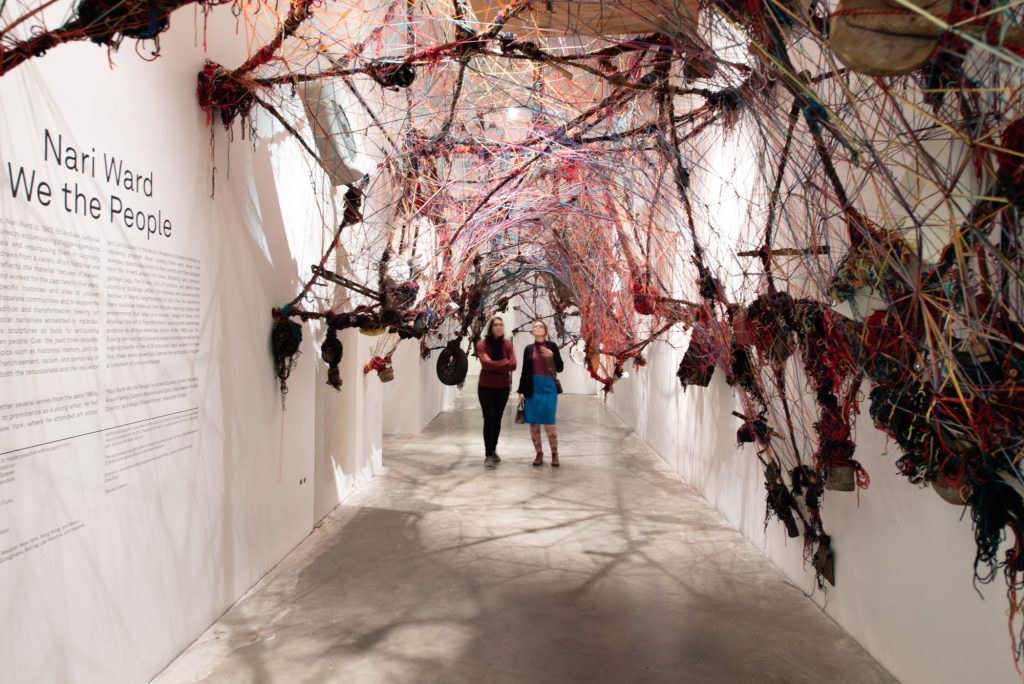
The upcoming retrospective at Pirelli HangarBicocca, opening on 28 March 2024, will present a combination of works that interweave Ward’s exploration of performativity and collaborative projects. With a particular focus on time-based media works, including video, sound, performative sculptures, and installations, the exhibition will delve into over thirty years of practice, presenting early seminal and historical works and new productions.