
Cart 0
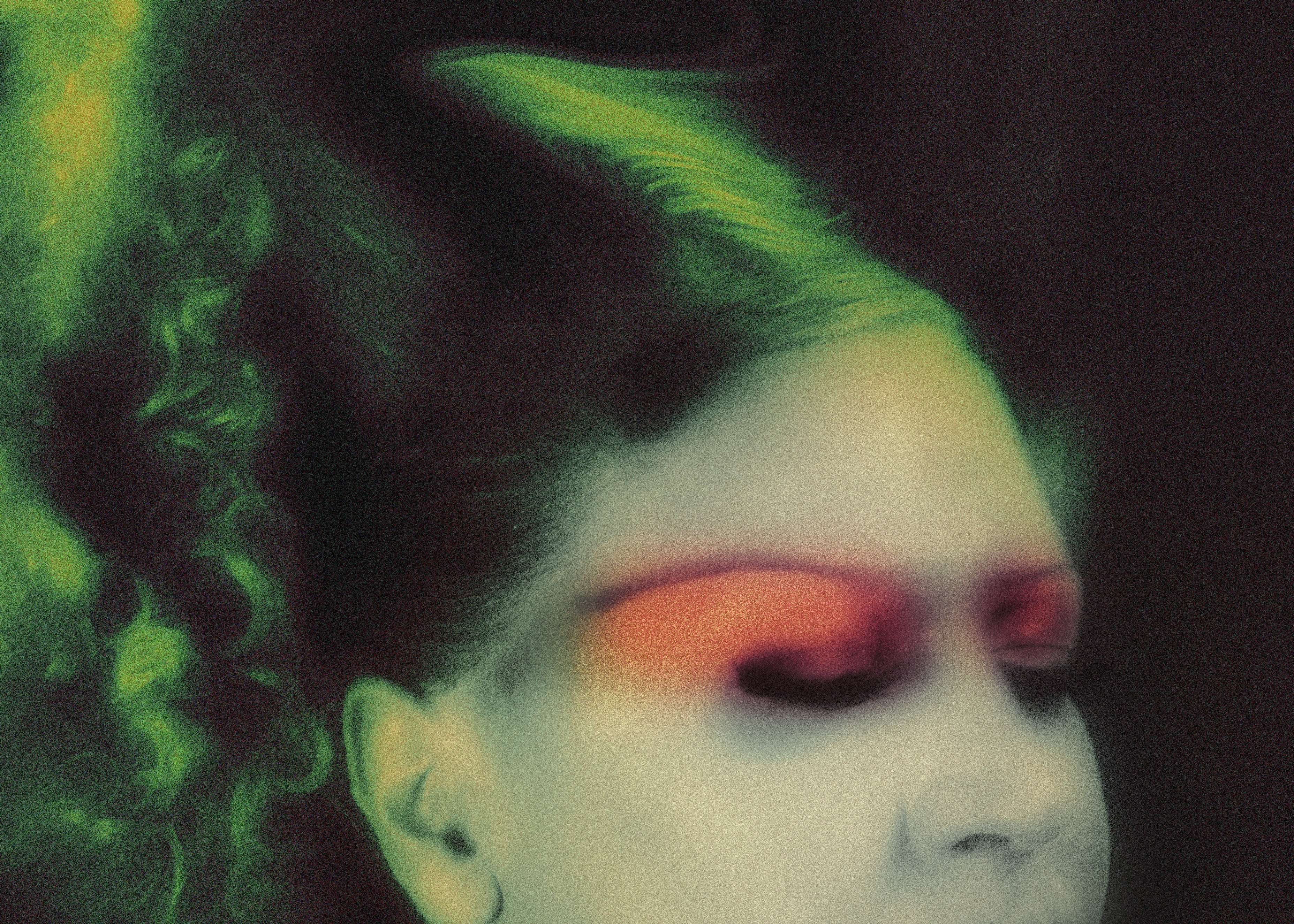

On a warm summer evening in Lisbon, we attended the presentation of the book Abuse of Silence (Bad Seeds Never Die). The first ever poetry book written by Réda Ait Chégou in collaboration with Shejtano. The performance took place in a dimly lit room in the basement of Galeria Foco as part of the NOVO Festival, a series of curated performances and events organized by the art space during the month of July 2024. As soon as we walked down into the room, we saw a woman sitting on a mattress with a red spotlight directed at her face. The light revealed a bedroom scene resembling a pagan ceremony or a ritual sacrifice. The red light passed through a large hair sculpture made by the make-up artist 420 Bombshell, with iron wires merging with Réda’s hair, creating an exaggerated shadow while the sculptures balanced themselves magically behind her. The image of a woman reading poems about a broken heart, struggles, catharsis, and rebirth, surrounded by sheets, books, and pillows in her phantasmagorical red bedroom, has been imprinted in our memory ever since. The scene was so powerful that one couldn’t help but want to learn more about the artist.
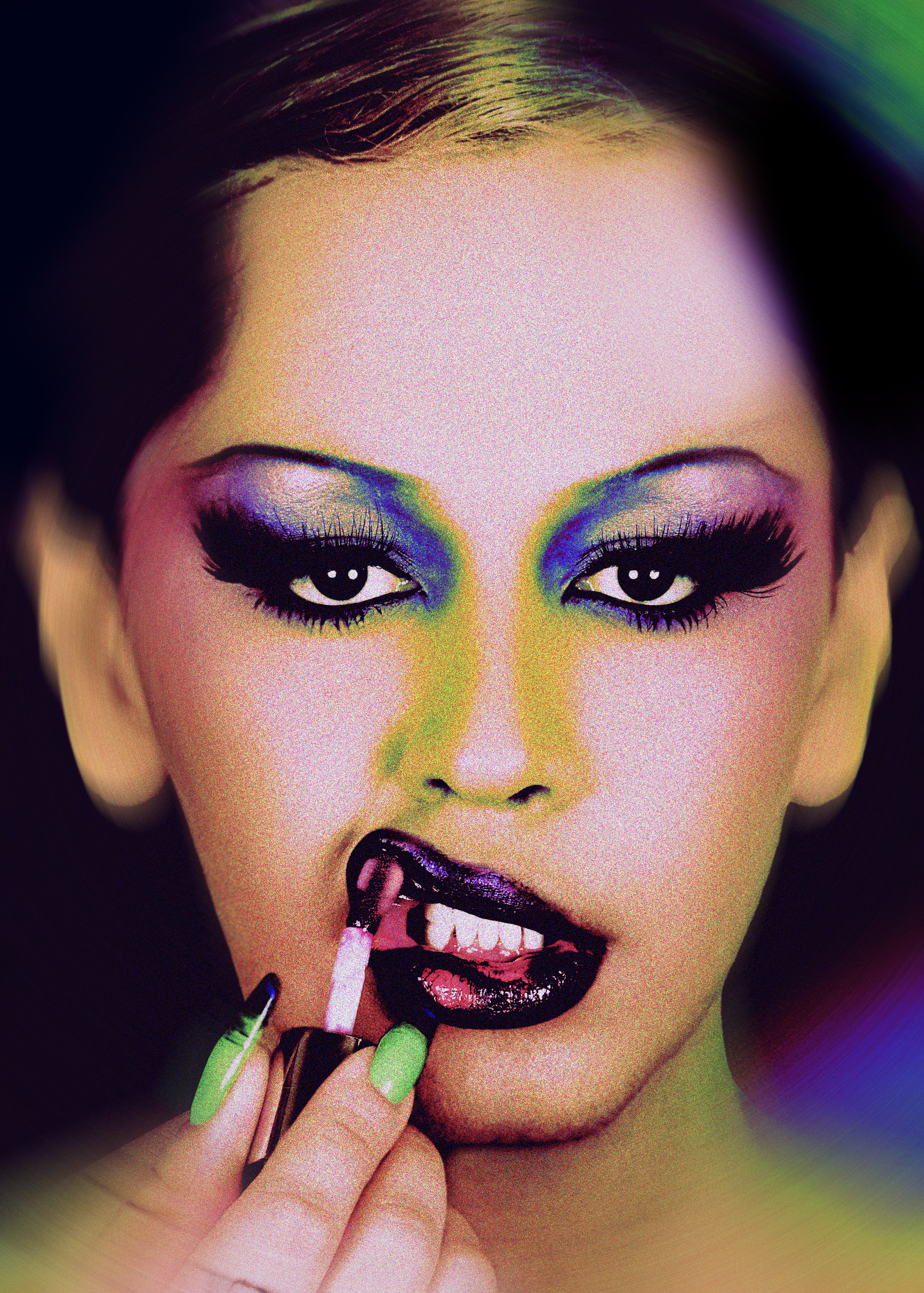
Meet Réda Ait Chégou—a multidisciplinary and multifaceted creative talent passionate about art, fashion, music and cinema. After undergoing countless personal and professional transformations, she has carved out her own path in life. As a trans person growing up in a family of Muslim Algerian immigrants in France, Reda faced many challenges and transformed her experiences into a superpower. She now uses her influence to support talents who share the same experiences as her on their journey to self-discovery.
In her work, Réda aims to construct narratives that support diversity, equality, and inclusivity in modern society. She finds ways to promote her radical vision, creates platforms for emerging creators, and collaborates with established talents who don’t conform to industry standards. Her talents span creative direction, production, curation, editing, writing, performance, consulting, and artistic direction, to name just a few.
Réda Ait Chegou’s performance of her newly published poetry book was a compelling display of authenticity and vulnerability. Her trembling voice conveyed her deepest thoughts and experiences, allowing the audience to empathize with her pain. In a world that often shuns such openness and can view it as overly dramatic or intense, her bravery in sharing her personal story was truly commendable. This courage piqued our interest in her artistic journey and creative process, which we are excited to explore and share with you today.
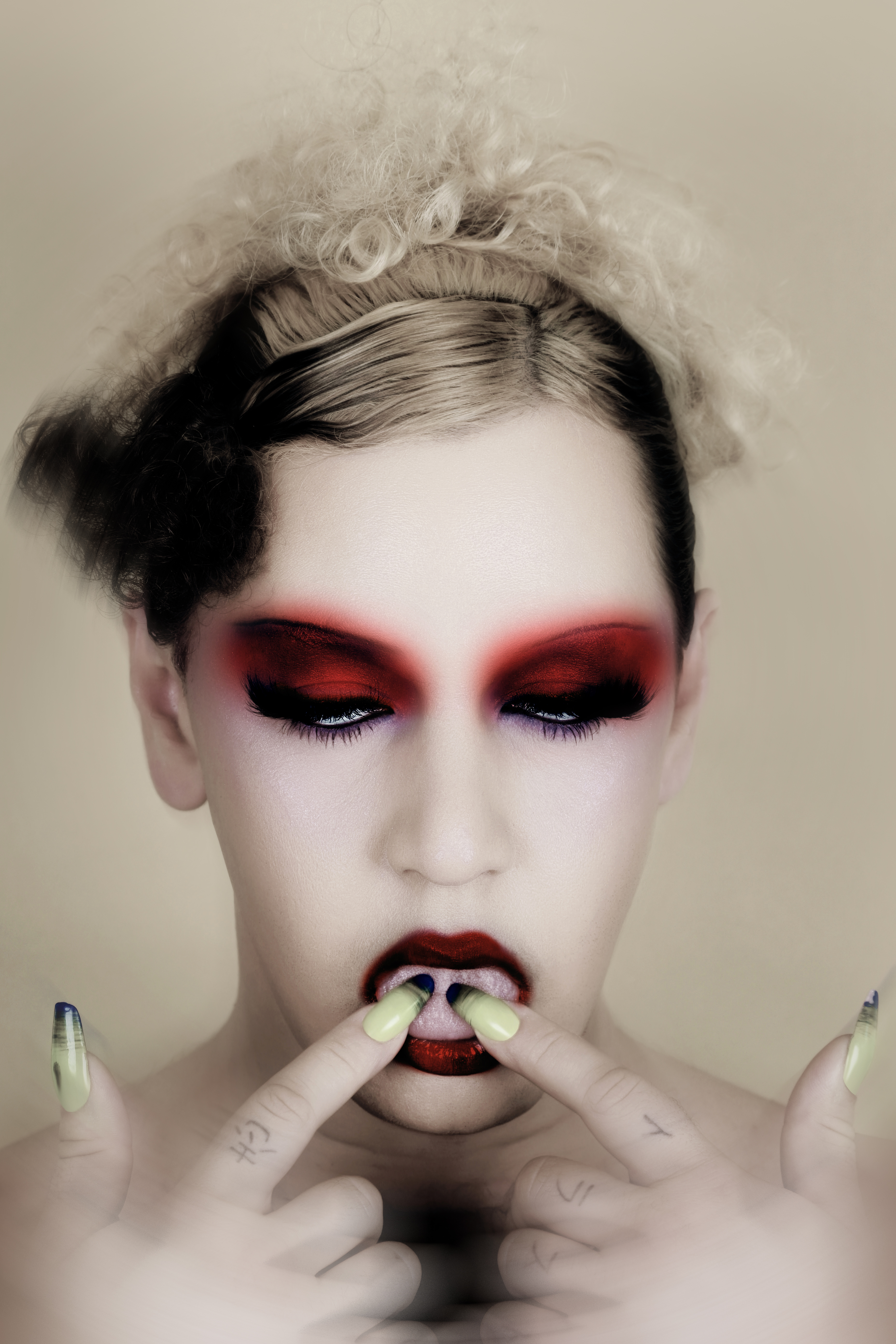
Imagine you’re on stage facing a hall full of people who have never heard of you. What would you say if you had a chance to introduce yourself to the world right now in a few sentences?
To be honest, I’ve never really succeeded in finding the perfect answer to that question on a deeper level, but if I had to present myself quickly, I’d say I’m a facilitator. I’m someone who is extremely sensitive—a functioning empath who loves bringing ideas to life. I consider myself a woman of action. I have a strong intuition and a deep desire to see the people around me succeed alongside me. My main talent, which I apply to every discipline and endeavour I’ve undertaken, is my ability to motivate, instil confidence, and guide others toward realising their professional or personal projects. This includes developing perspectives and offering advice, though this approach sometimes works better for others than it does for me. To sum up, I’m the CEO of a talent & image agency called thempresents, the editor-in-chief and founder of the independent publication Draft001, a founding member of the infamous Lisbon club Outra Cena, and now apparently, the author of a book titled Abuse of Silence (Bad Seeds Never Die) and soon releasing a musical EP version of the strongest and most meaningful texts in that book.
What main topics are you trying to raise by working in all these disciplines? What message are you trying to transmit to the world, and what kind of help do you provide to the people you work with?
There is no particular topic I am trying to raise. Things happen intuitively. In everything I do, I try to defend one’s right to speak up and offer a space where they write their own story. This matter is personal. Growing up in a less privileged suburb in France, I attended a school where my classmates were predominantly Muslim and immigrants, and my teachers were too often racist in my experience. Those who were supposed to help us grow and thrive perpetuated a narrative in which minorities were only suited to become cleaners, repairmen, or secretaries. We were not allowed to dream. This, in my view, is a reflection of the systemic racism deeply embedded in French society, particularly within the government and educational systems. Too bad for them; it fueled my need to prove myself, overachieve, and break free from these limitations. I’ve internalized the belief that I can open any door and achieve anything, no matter what. It’s a gift that I now share with others but also a curse I carry on a personal level. It is pretty obvious that our society doesn’t provide everyone with the same level of opportunities. I want to fight this by sharing my experiences, talents, energy, and network with those willing to take control of their own stories and shine despite the obstacles they face, when they can afford it. Because yes, it is still an enormous privilege to be able to focus only on your passion(s).
What inspired you to write your first book, “Abuse of Silence”?
On the 3rd of October last year, the person I thought I loved left me. I had made a mistake, out of fear and dependency for this love and affection, I broke their privacy. Seconds later, they learned about it and left me without giving me a chance to explain or get closure. They went silent and disappeared. This left me devastated and led me to attempt suicide, something I processed slowly. But soon after, I found my desire to live again and remembered to be grateful for what I had made for myself and could have lost for a “boy” which now feels ridiculous. I understand that this relationship was toxic. It disconnected me from myself and made me feel like my needs, boundaries, and desires were not legitimate. It broke me, but somehow, it also helped me to take the path of healing myself, blossom into a stronger being, and start different kinds of therapy (psychological, somatic, spiritual, and medicinal).
My way to healing was neither slow nor quiet; it was loud and involved action. I had to express my feelings. Intimacy was never easy for me. The first guy I invited to sleep over drugged me and stole everything from me when I was about 17. At that time, while working at restaurants and studying cinema, I was renting a room because I needed more privacy than what I had in my family home. For me, falling asleep next to someone is one of the hardest things to do. Even when my friends visit me in Lisbon, I make them sleep in another room. Now that I’ve become aware of these trust and abandonment issues, it’s even harder, almost impossible, to let someone sleep next to me. If I let you sleep next to me, it means a lot, and it’s happened only three times in 29 years. One of those times was when the guy stole everything; the other one was this person who left.
For me, intimacy is also about being able to be the child you never were allowed to be with someone, so soothing that it becomes addictive. When suddenly taken away, it felt like I had lost a piece of myself. It was one of the hardest moments of my life; I even self-medicated with Valium at one point. Eight months ago, I was crying every day and struggling with depressive thoughts and writing. Putting my feelings into words helped me realize that my wounds were deeper than I thought. I saw the limiting and restrictive patterns of behavior that had led me to this abyss. It was bigger than me. My lack of self-love and self-respect had been engraved in me by a lifetime of systemic discrimination, racism, and abuse that people from my socio-economic background too often go through. I grew up thinking that I deserved less, that I was worth less, that I didn’t matter. I understood that this was the reason I accepted so little from others, especially from a lover. Writing Abuse of Silence (bad seeds never die) was one of the most therapeutic experiences I went through. This is why I didn’t stop there and went ahead and published it. By this act, I claimed my legitimacy to existence and presented a common form of vulnerability that we all live one way or another. I secretly hope to somehow help others with this modest participation in the giant landscape of creations we witness today. I hope it will do as much good to others as it did to me because it led me to be able to say today, and it was not always the case, that I am proud of who I am and all I did. I cherish and protect each decision I have made in the past as part of myself, included in a bigger picture that doesn’t only concern me.
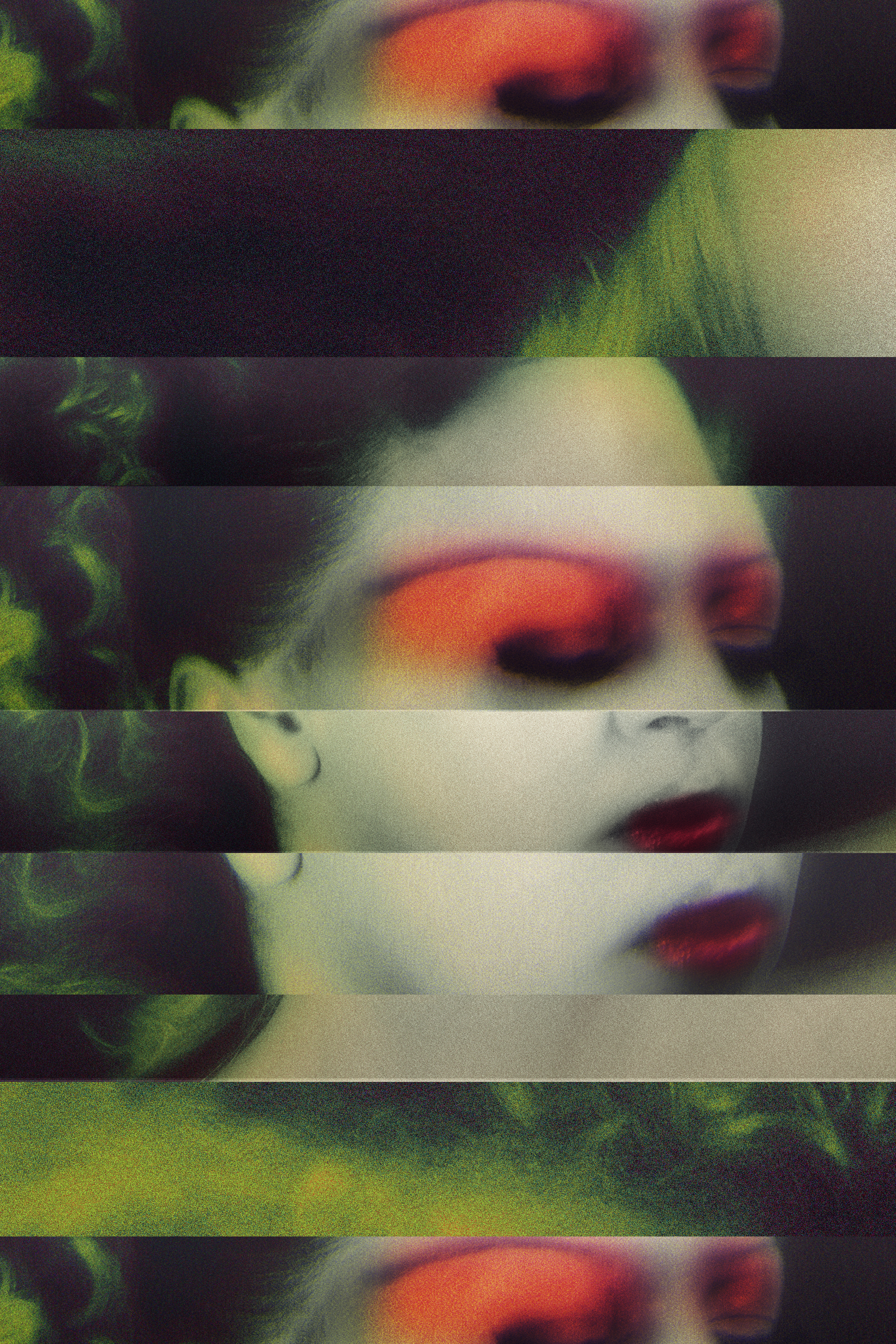
Your book’s imagery with fallen angels and phantasmagoric creatures is incredibly powerful. Were these visuals inspired by your breakup and symbolised you?
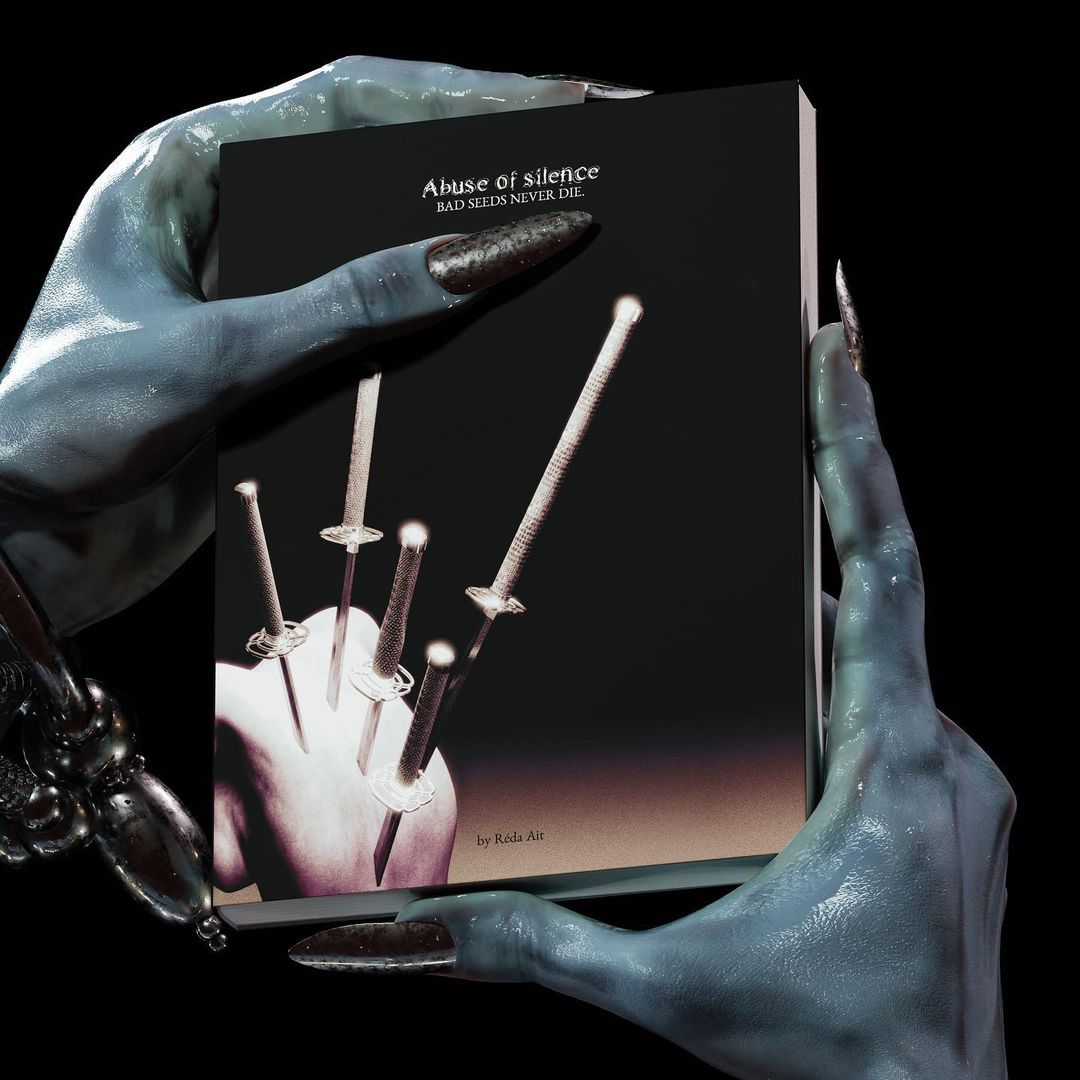
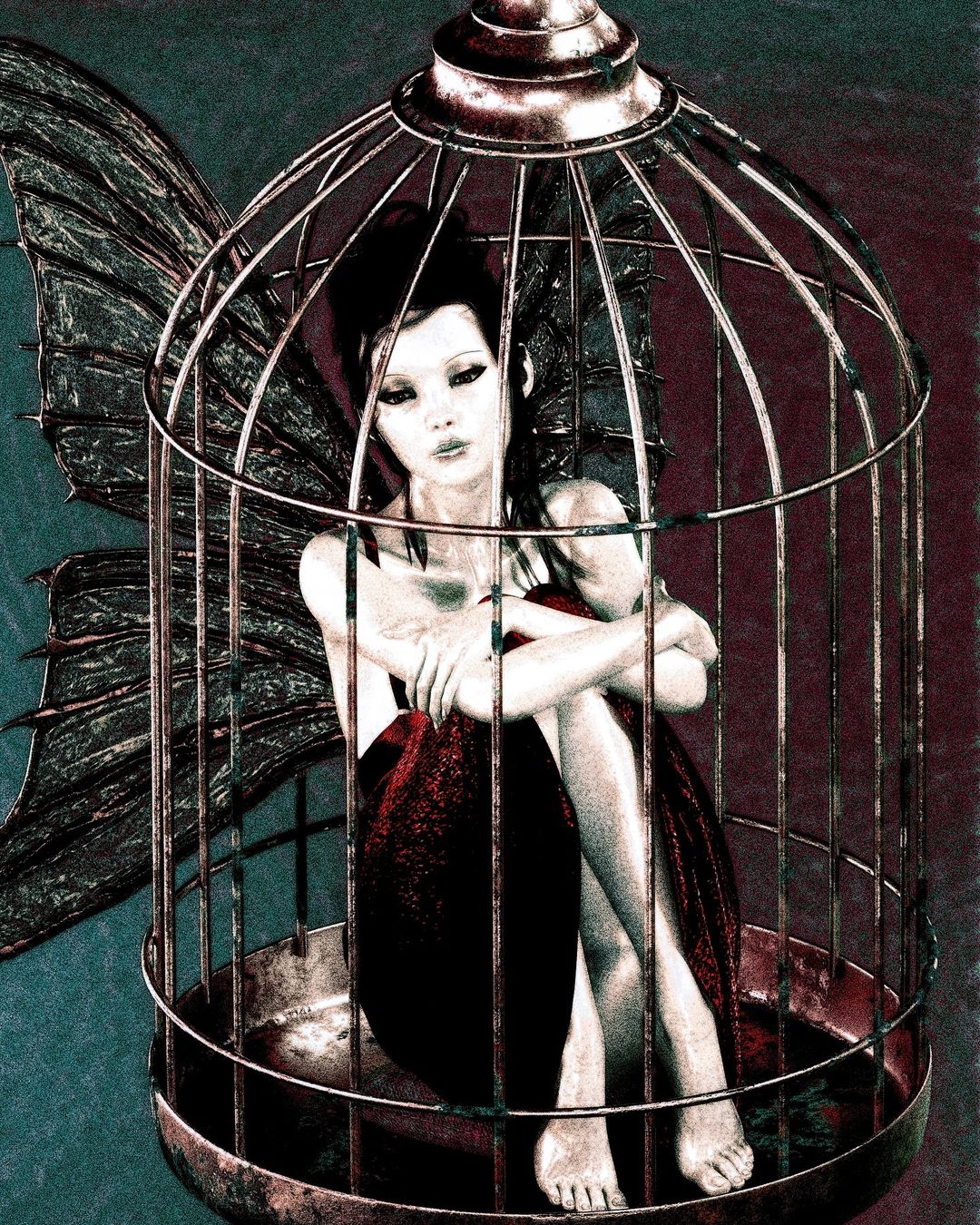
Yes, absolutely. The visuals were created by an artist named Shejtano. I had known their work for years, but when it reappeared on my feed during this hard time, it all made so much sense to me; I literally saw myself in their work. I suddenly felt a deep connection with every single figure they created. Seeing the depiction of the swords piercing a woman’s spine and a body figure brought down to her knees made me shiver, and I thought, “This is exactly how I feel.” It was so powerful that I woke up in the middle of the night and started writing a poem. Then I wrote another and another. Initially, I wanted to create the imagery for my book myself, together with a photographer. But rediscovering Shejtano’s images again left me no option but to work with him. I feel very grateful for this collaboration and their generosity.
Your performance at the book presentation, with the big shadow behind you, was particularly striking—it felt almost like an occult ritual. Can you elaborate on the symbolism behind it?
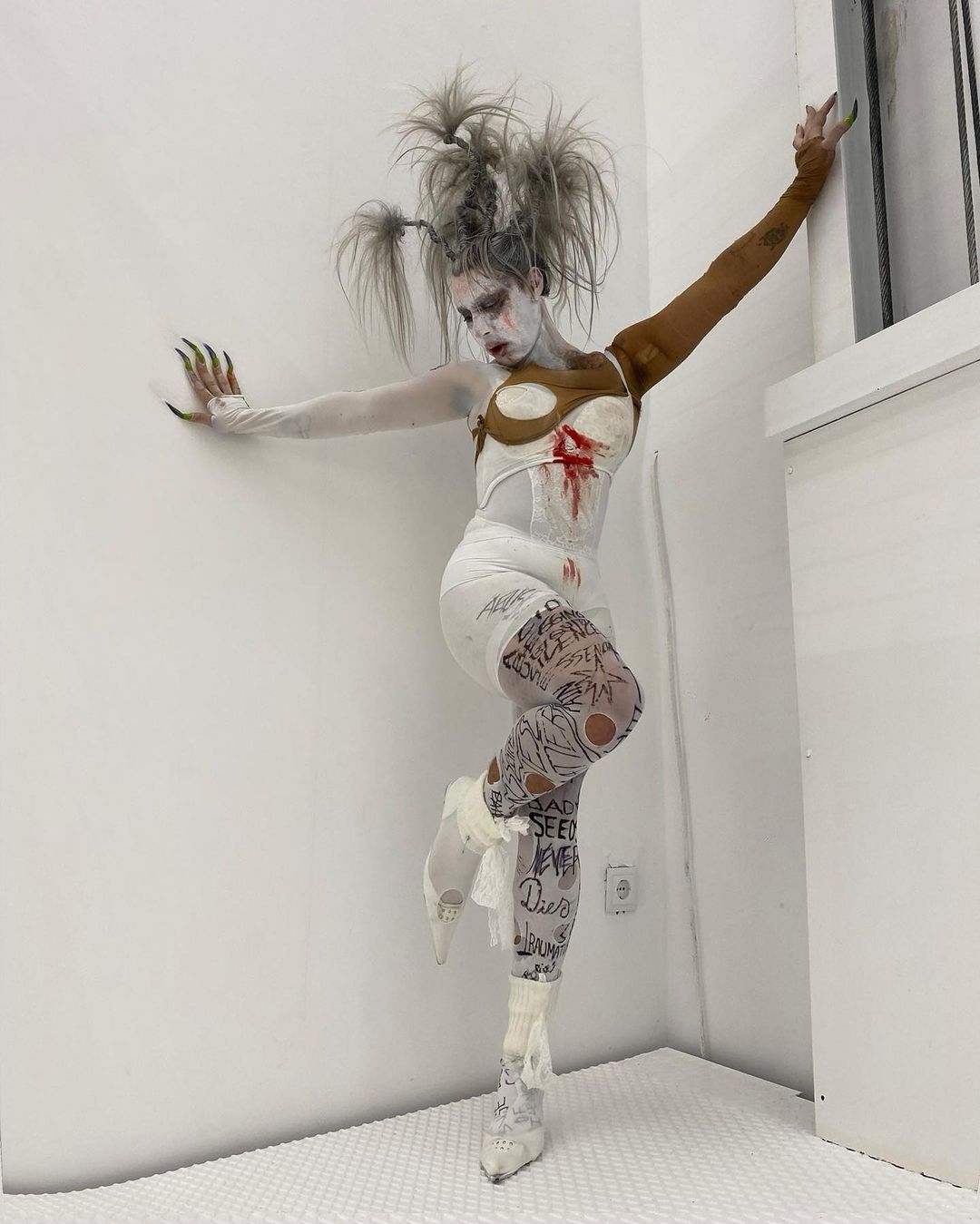
I aimed to recreate the environment in which I wrote these poems. I never sat at a desk during the day, working on them. Instead, they came to me in the sanctuary of my bedroom—crying after therapy or awakened by a nightmare. The moving shadows behind me and the exaggerated hair shape symbolize my experience as if I were a soldier returning from war. I felt like one of the discarded pages of my book, embodied. The shadows and the red hues represent the pain, the monsters, and the demons I faced. In Greek, “demon” means “dynamic,” reflecting the movement and intensity of these experiences. Creating a sacred circle with my books, sheets, and pillows was crucial for me. It was a way to replicate the solitude and confrontation with my inner demons, where I had to face myself alone – involuntarily. The main frame of the performance also represents my seclusion. In life, and especially since the book release, it’s like I feel more safe alone than with my “peers”. Jealousy and dark energies are a real things in and out of our spaces, like a disease. We should always stay aware of what’s around and inside our circles.
Do you feel like art is one of the few spaces of expression where drama is still relevant, or do you feel like we need more drama in this world? Would you like to change the world to become more emotional and dramatic?
For me, the concept of drama depends on your definition of “dramatic” because, to me, this world is extremely dramatic. In an obvious political, cultural, and social way but also for me personally. I’m a full-time drama queen… Drama, melancholy, nostalgia, romance, lugubrious, sad, mournful, or any word you want to use to describe the type of ambiance I created in the book and in art in general is exciting for me, and I like to be excited by the little things in life. I always say that if I am not crying, laughing, or feeling a certain way while building a project, I feel like I’m not doing the right thing and not standing in the right place. I will always invent, always create, and make sure that even when I go to get a coffee, I’ll make sure to stay curious enough to catch the little details that will turn my imagination and creativity on. A moment, an action, a vision that I can turn into a story, a poem, a performance, a book, a movie, or whatever format will fit the momentum I witnessed and was graced by. Because if you let your child guide you at high speed spontaneously and impulsively through this highway that we call life, you can find these little things everywhere. The way I recount what happened during my day or any situation in life is dramatic, and I love that about myself. I always exaggerate. Drama is a necessary medium for me to tell my tale. All of that reminds me of a quote from Letters to My Daughters by Maya Angelou in which she said something strong that motivated me and kept me going on with my healing: “I believe that one carries the shadows, the dreams, the fears and dragons of home under one’s skin, at the extreme corners of one’s eyes and possibly in the gristle of the earlobe. Home is that youthful region where a child is the only real living inhabitant. Parents, siblings, and neighbors are mysterious apparitions who come, go, and do strange, unfathomable things in and around the child, the region’s only enfranchised citizen. […] I am convinced that most people do not grow up. We find parking spaces and honor our credit cards. We marry and dare to have children and call that growing up. I think what we do is mostly grow old. We carry the accumulation of years in our bodies and on our faces, but generally, our real selves, the children inside, are still as innocent and shy as magnolias. We may act sophisticated and worldly, but I believe we feel safest when we go inside ourselves and find a home, a place where we belong and maybe the only place we really do.”
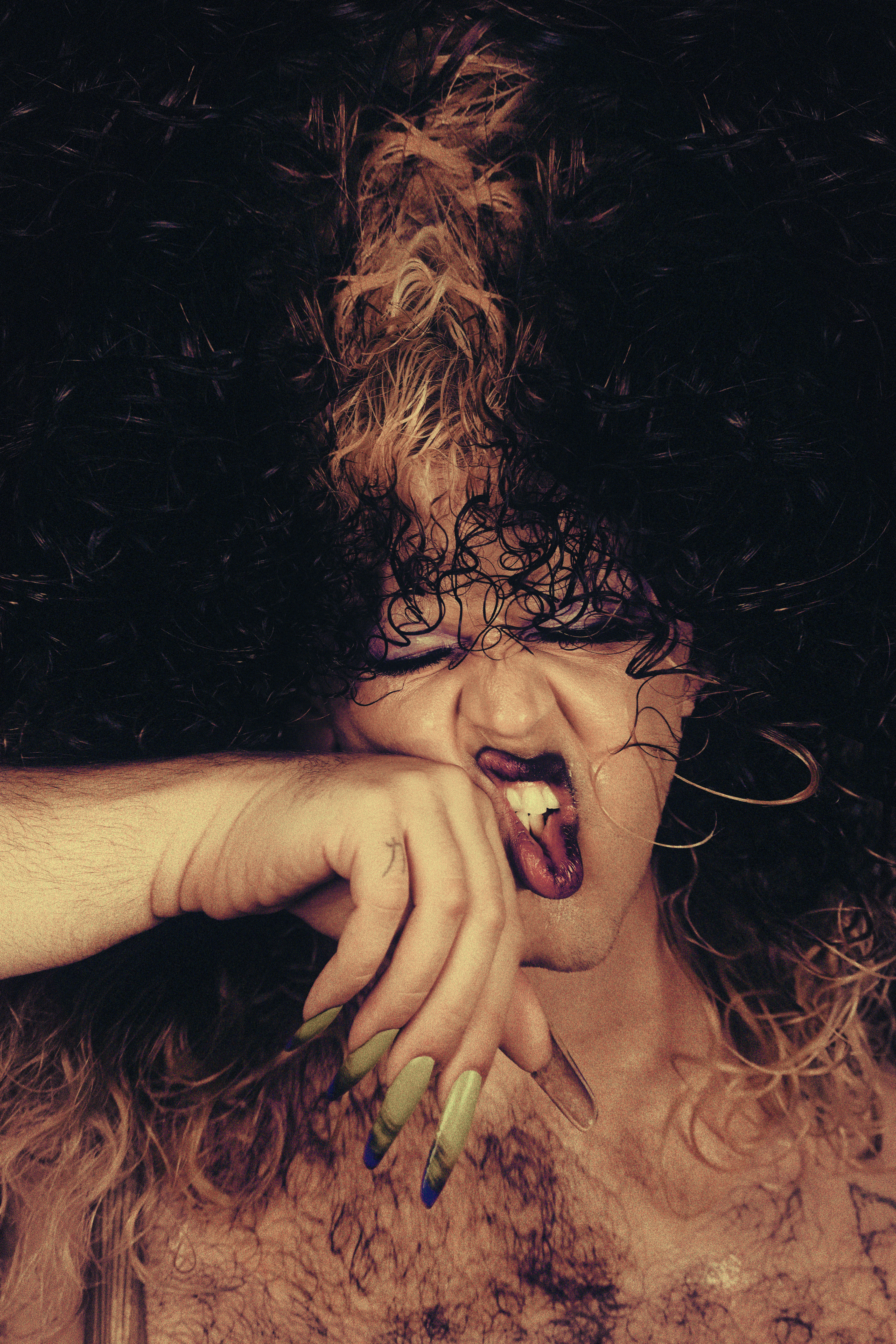
If you could give advice or say something to encourage our fellow drama queens or people learning to embrace their emotionality, look for themselves, question their identity, or look for a supportive environment, what would you say to them from your experience?
Trust the process! It is the heartbeat of growth. We often yearn for the destination, forgetting that every step shapes us. Even when faced with a “no,” I believe it is a silent and hidden “yes” to your courage, presence, and persistence. So, keep going, befriend your joy and your pain; this is where peace is hiding from you. Trust the process, stumble boldly, and let failure be your teacher, best friend, or lover. There is no success without struggle, no victory without scars. Scars are seeds for your personal garden that you carry with you everywhere you go, you can’t run from it, so take care of it, listen to it, understand it, befriend it and never stop watering it. Be gentle with yourself, yet fierce in pursuit. Welcome criticism with grace, and be relentless in action. Accept others’ help or reach out to the people who love you – even if it’s hard to see which one they are.. I wouldn’t be who and where I am today without the support, expertise and love of my pasts and recent real true friends. But most importantly, don’t wait for opportunities to find you—create, build, and become them!
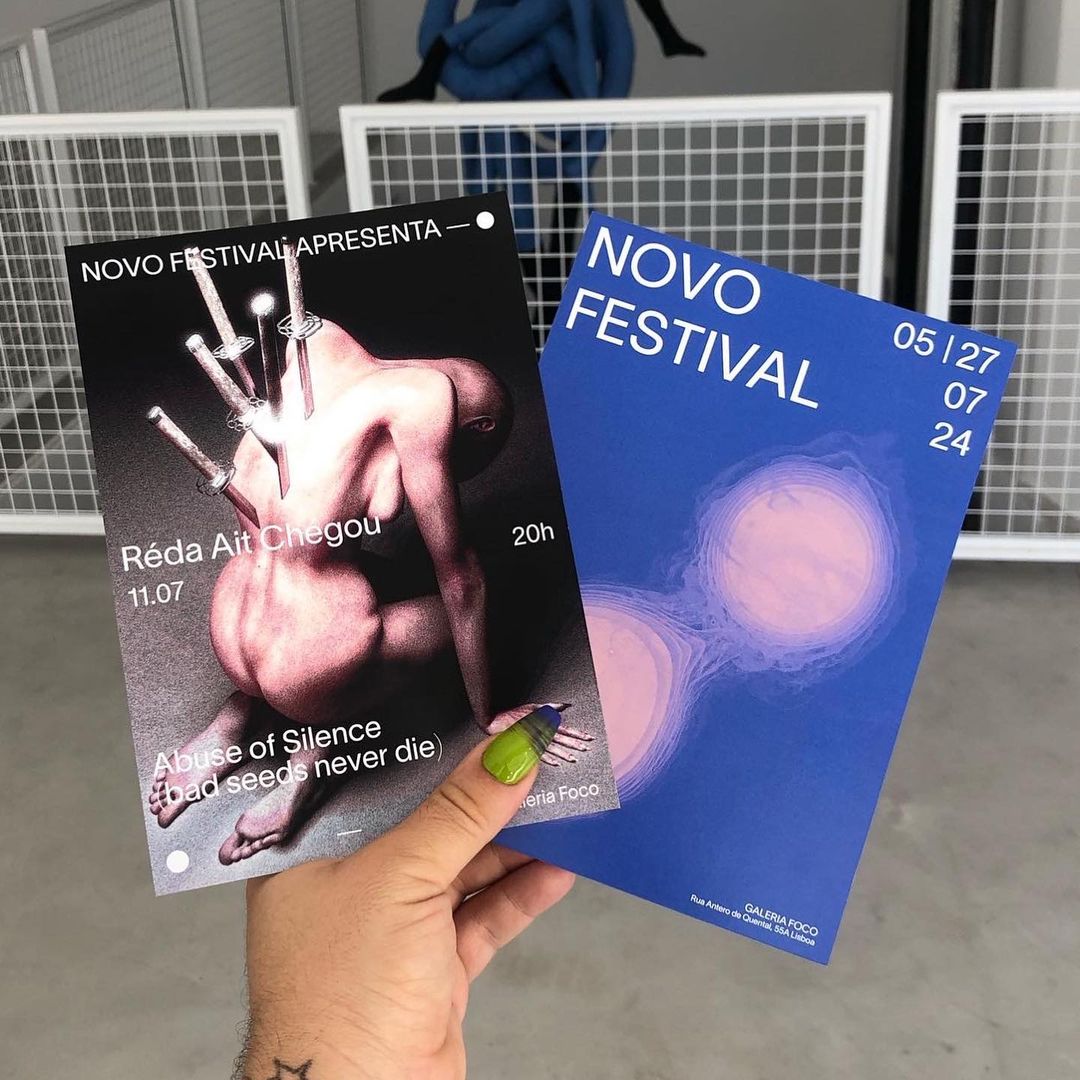
Reda Ait Chegou’s journey to writing her debut poetry book vividly illustrates how struggle can be a powerful catalyst for growth and creativity. It also shows how embracing one’s passion can transform pain into beauty. As Johann Wolfgang von Goethe once said, “Whatever you can do or dream, you can begin it. Boldness has genius, power, magic in it.” This sentiment was palpable during her evening at Galeria Foco and was further evident in her collection, Abuse of Silence: Bad Seeds Never Die. Are you inspired? We certainly are.
I just wanted to express my gratitude for the valuable insights you provide through your blog. Your expertise shines through in every word, and I’m grateful for the opportunity to learn from you.
“Remarkable piece of content! 👏 Your expert analysis and clear communication make complex concepts easy to grasp. This is definitely going in my bookmarks.”