Cart 0
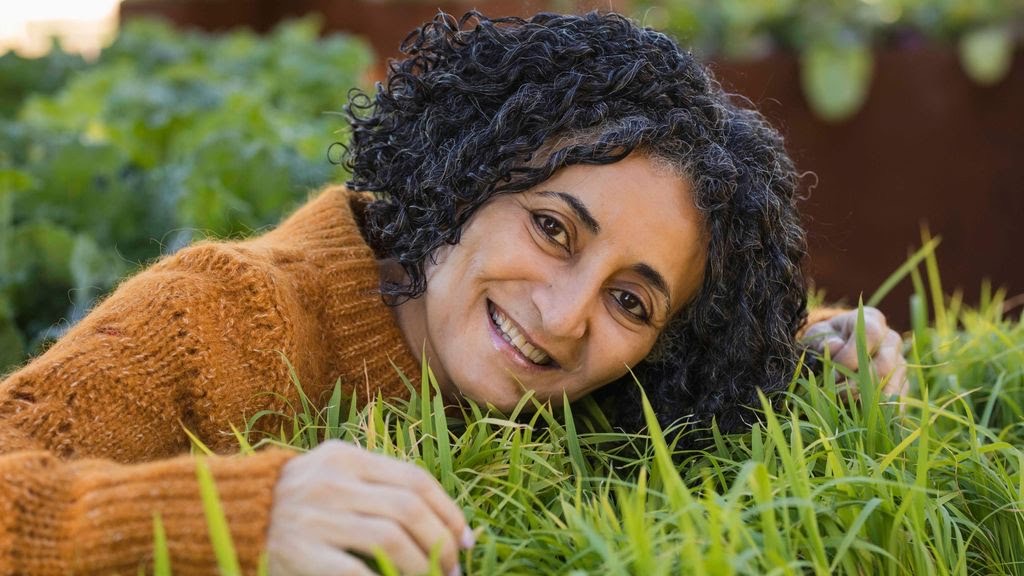

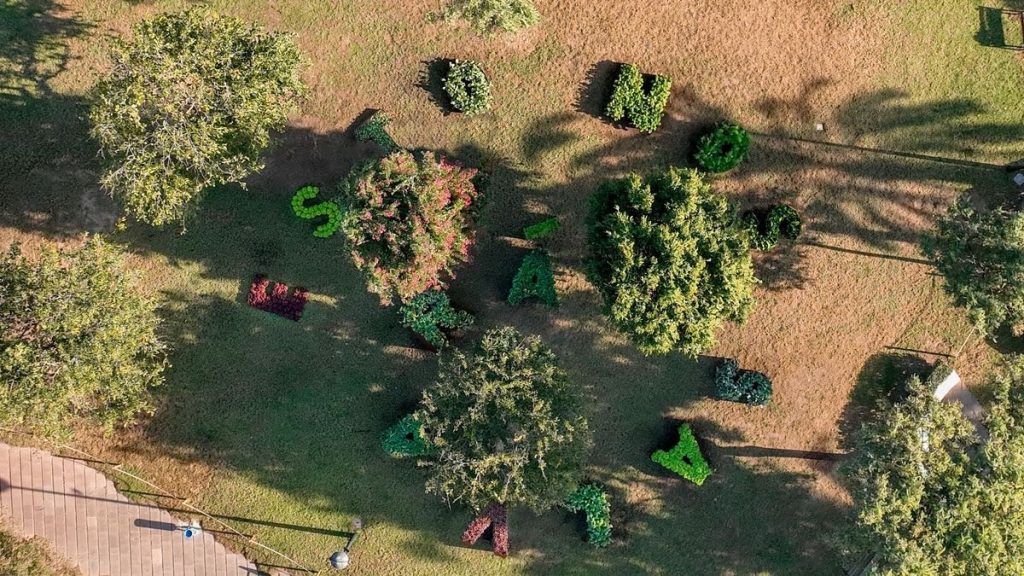
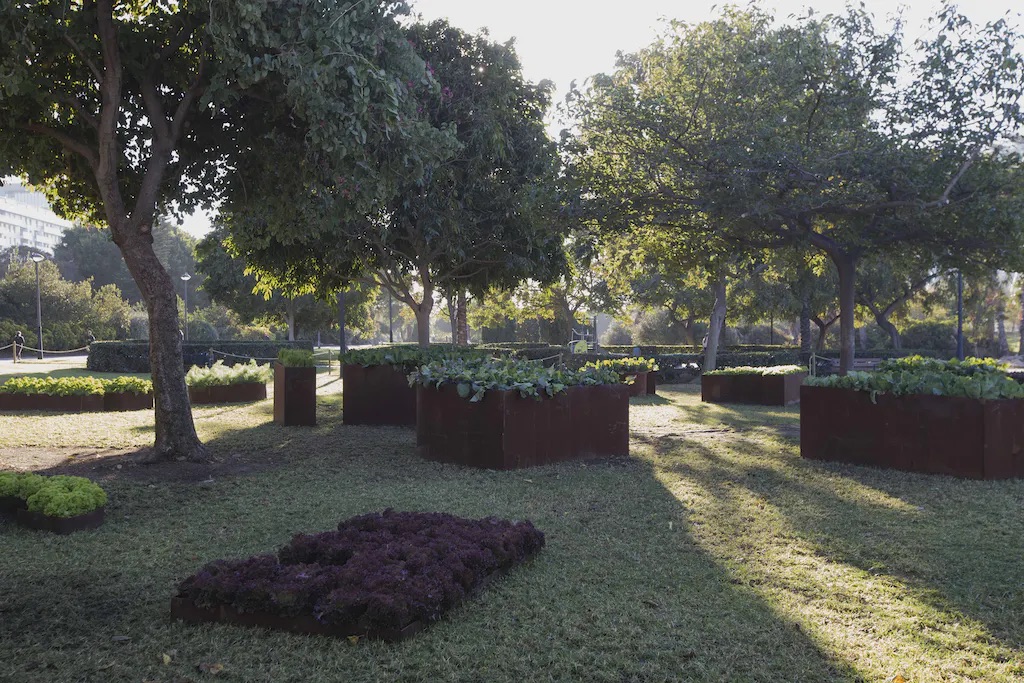
The outdoor garden installation by the Egyptian artist Ghada Amer, titled ‘ESTO NOS SALVARÁ’ (This will save us), is currently on view in Valencia until March 5th. Developed in collaboration with Galería Ana Serratosa for the city of Valencia, this project was curated by Pedro Medina and Viviana Kuri. Installed in the gardens of the Turia River, between the Palau de les Arts and the Science Museum, it serves as an extension of two other exhibitions held in the gallery’s two spaces in Valencia. The installation can be experienced concurrently with these exhibitions, running from November 25th to March 5th.
Egyptian-born, New York-based artist Ghada Amer delves into issues of femininity and identity, examining them through the prism of cultural and religious norms. Proficient across a range of mediums, such as painting, sculpture, ceramics, performance art, gardening, and mixed-media installations, she explores themes including sexuality, female and postcolonial identities, and Islamic culture in her practice. Amer’s extensive body of work spans paintings, bronze sculptures, clay ceramics, prints, installations, videos, and outdoor gardens. She has participated in prestigious events such as the Sydney and Whitney Biennales and was honoured with the UNESCO prize at the 1999 Venice Biennale. Notably, Amer was the first Arab artist to have a solo exhibition at the Tel Aviv Museum of Art, presented in 2000.
Born in Cairo, Egypt, in 1963, Ghada Amer immigrated to the United States as a child. She received formal training at the Villa Arson EPIAR in Nice, France. During her artistic studies in Nice, she faced discrimination, routinely turned away from painting classes reserved exclusively for men. This experience prompted her to reflect on the feminine role, leading her to turn to embroidery as a means to express her artistic vision. Subsequently, she experimented with other techniques such as painting and sculpture. By appropriating images from fashion magazines, Disney movies, advertising, and pornography, Amer exercised control over materials to critique the subjugation of women while simultaneously celebrating female sexuality.
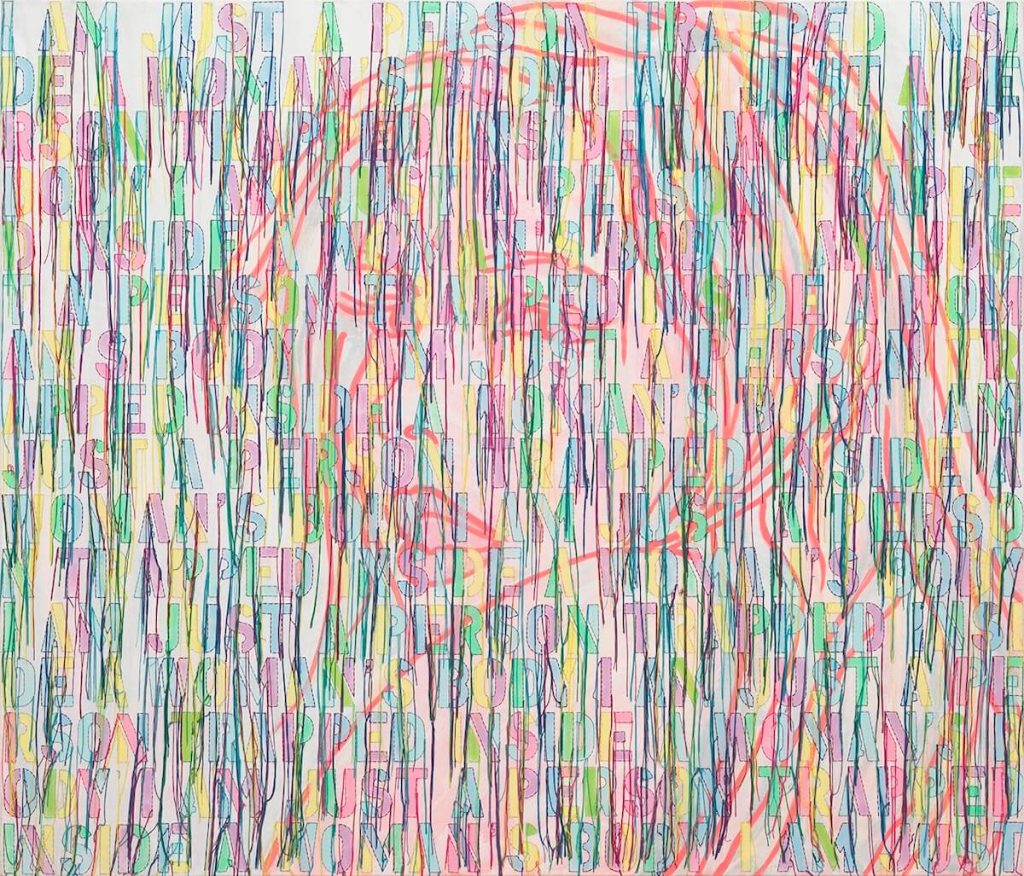
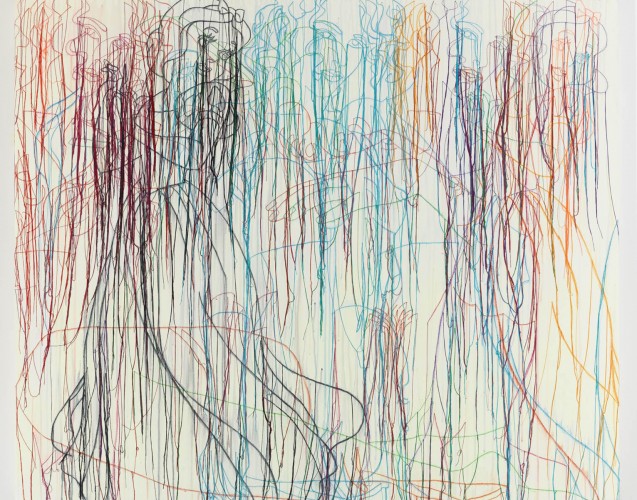
Amer is best known for her abstract canvases, which fuse painting with needlework and erotic embroideries, layered over abstract monochromatic drips and washes of acrylic paint. Through her embroidery on canvas, she endeavours to depict the nude female body autonomously, liberated from the burden of the male gaze through needlework—a traditionally female discipline. Her art stands as a rejection of oppressive social laws and a direct confrontation of contemporary patriarchal norms that confine and objectify women. “I liked the idea of representing women through the medium of thread because it is so closely associated with femininity,” she once said about her work. “I wanted to paint a woman with embroidery, too.”
For instance, in her piece ‘Snow White Without the Dwarves’ (2009), Amer stitches an image of Snow White alongside depictions of naked women touching themselves in the background, symbolising the princess’s sexual liberation.
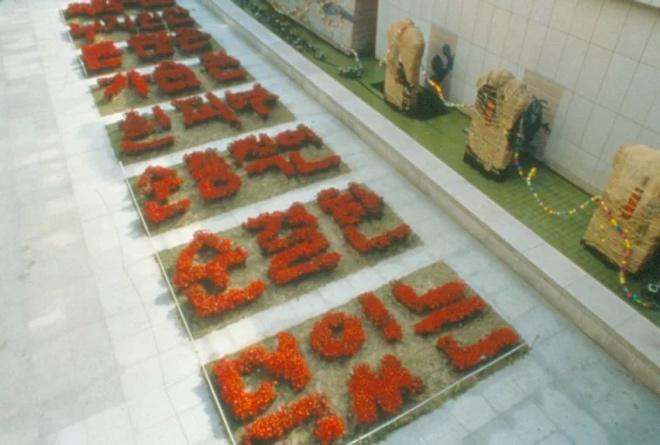
In her garden projects, Amer has conceived public works such as ‘Women’s Qualities’ — a series of outdoor installations aimed at translating her concept of “women’s work” from embroidery on canvas to an outdoor, sculptural equivalent. The ‘Women’s Qualities’ garden features a series of flowerbeds and block letters, each representing traits most commonly associated with women according to a poll conducted in the specific country where the installation is located. The first installation took place at the Metropolitan Museum of Busan, South Korea, in 2000. Amer consulted museum staff members and visiting artists to identify traits commonly attributed to women, planting the responses in Korean characters using local flowers. For this garden, she selected eight qualities frequently cited by Koreans: virtuous, chaste, submissive, fair-skinned, large-breasted, rich, diligent, and sensual.
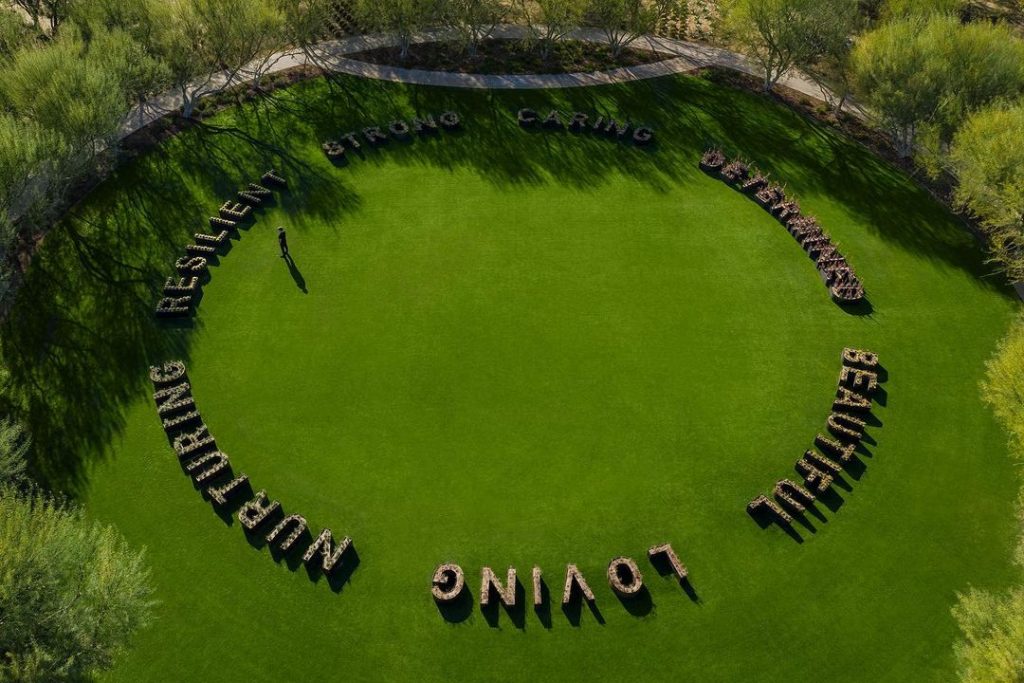
Twenty years later, Amer revisited the project in New York City, eager to explore how perceptions of women’s qualities might differ. For her installation at the Rockefeller Center, she selected twelve qualities based on input from local inhabitants: hardworking, good cook, strong, resilient, beautiful, sexy, happy, nurturing, smart, patient, kind, independent, and elegant. In 2021, she continued her “Women’s Qualities” series in collaboration with Desert X, inviting men and women in the Coachella Valley to share qualities they associate with women. The result was a collection of words arranged on the circular Great Lawn at Sunnylands: beautiful, loving, nurturing, resilient, strong, caring, and determined.
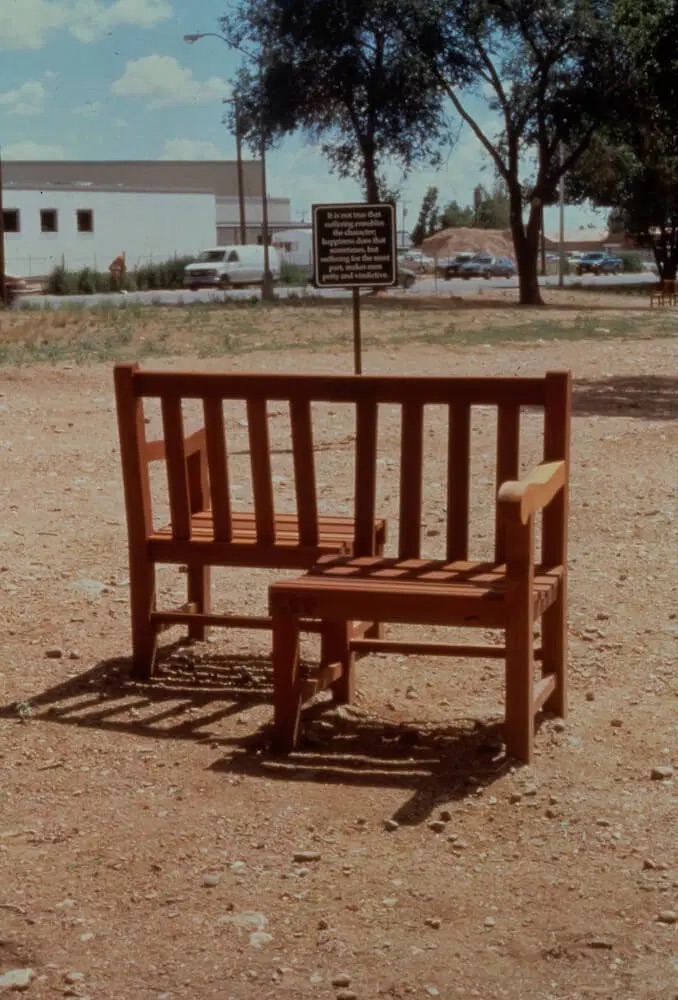
Another notable garden project by Ghada Amer is Love Park (1999) in Santa Fe, New Mexico. In this project, visitors were invited to sit on a bench and read a citation painted on a stand in front of them. For this project, 10 wooden benches in the park were split in the middle, with each half facing in the opposite direction. In this manner, Amer made it impossible for lovers to sit next to each other and look in the same direction. Instead, she compelled them to sit on opposite sides, gaze in different directions, and read a quotation from an internationally known author, visible only to one of them. Each set of quotations proposed contradictory messages, emphasising the lack of communication and distance between people.
In her ongoing exhibition ‘ESTO NOS SALVARÁ’ (This Will Save Us), Amer perceives the viewer as one of the elements composing the whole—an integral part of nature sharing space with plants, air, insects, water, and earth. This encourages individuals to engage and contemplate the relationship we have with the earth and its significance for our future. The artist aims to bring grains and crops to cities, bridging the gap between urban environments and the cycles of sowing and harvesting. The exhibition at Galeria Ana Serratosa provides a guided exploration of the diverse languages expressed in Amer’s work.
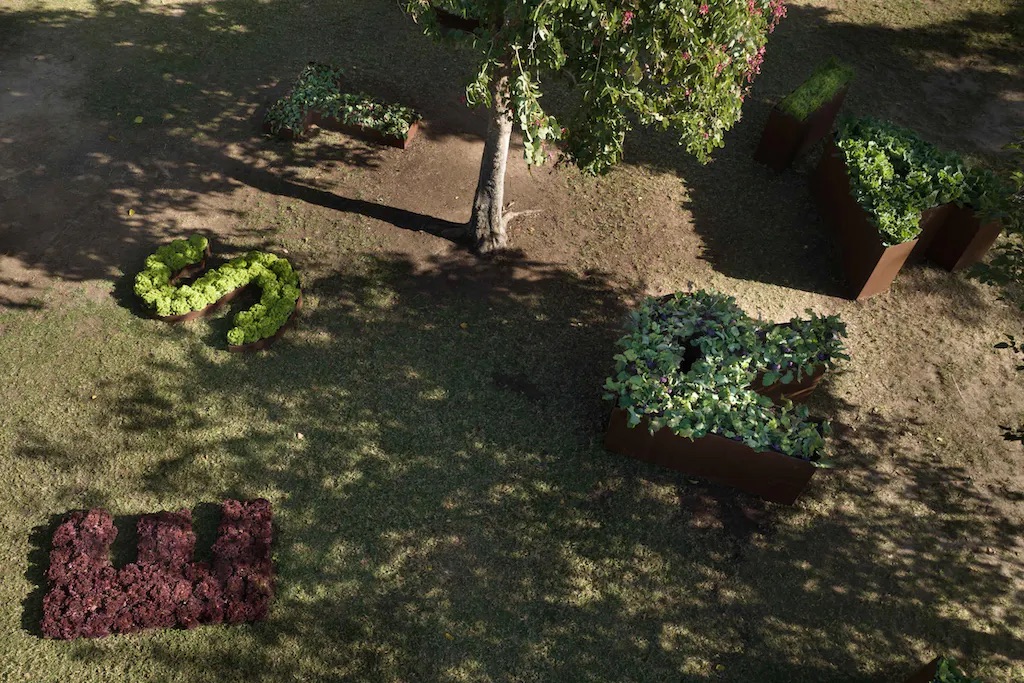
The installation comprises three parts: the sculpture garden, located in the Turia Gardens between the Palace of Arts and the Science Museum; the Ana Serratosa Gallery on Pascual y Genís, which hosts a work addressing women’s rights through the female body; and a window display in a historic building on Cabillers Street, featuring the work of Ghada Amer alongside that of eight other artists.
Undoubtedly, this exhibition presents a brilliant opportunity to appreciate the artistry of Ghada Amer while raising awareness of the societal problems we face today.